

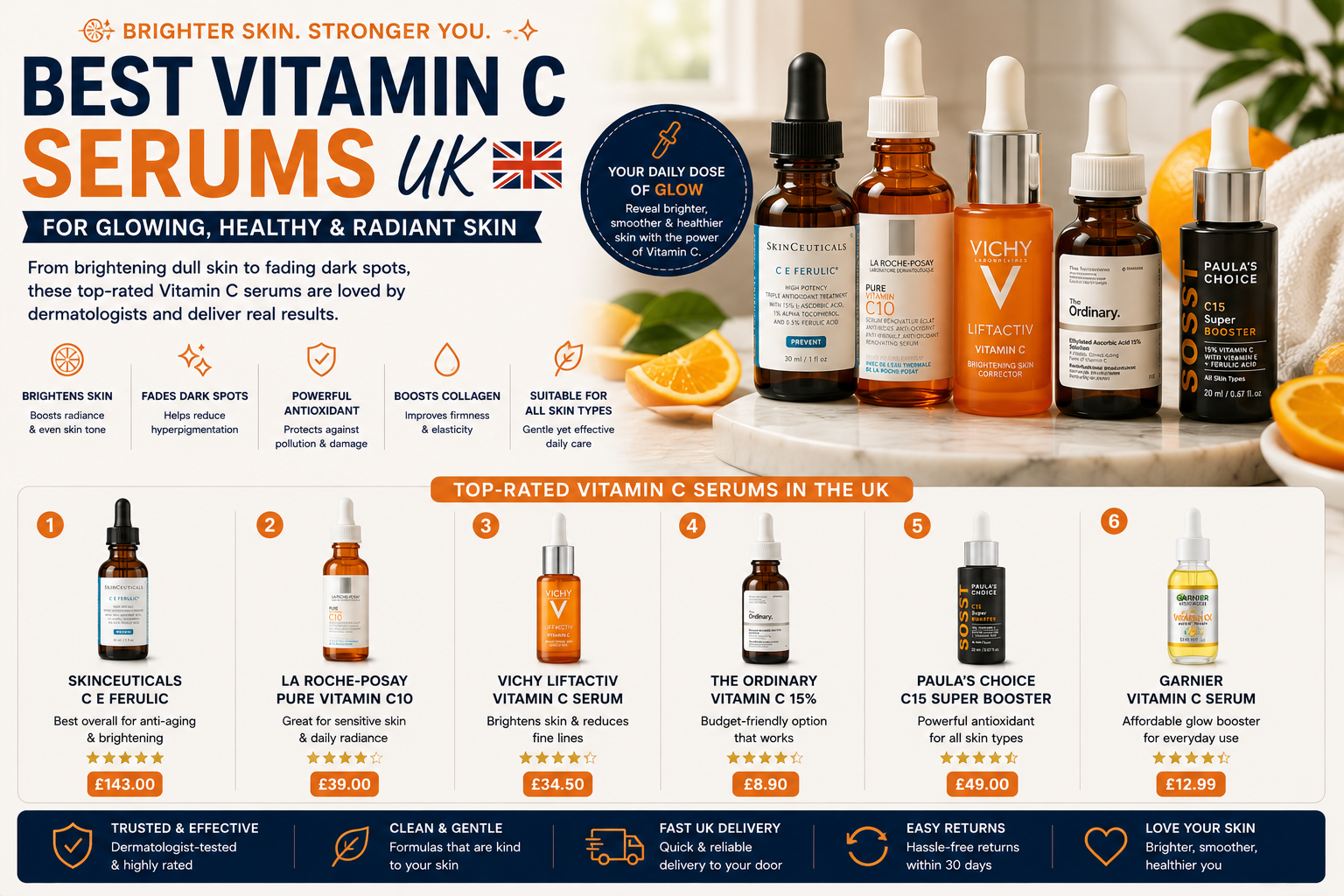
Hey savvy shoppers! When the items in our articles catch your eye and you decide to buy through our links, we may earn a small commission at no extra cost to you. Think of it as a way of supporting us in bringing you the best content!
Here is the thing nobody tells you when you first start getting into skincare: once you find a genuinely good vitamin C serum, you start quietly resenting every product you used before it. I tried four different serums over about eight months before landing on something that actually moved the needle on my skin tone — and the difference was obvious within three weeks. Not subtle. Obvious. That is what the right formula does.
So what makes vitamin C such a big deal? Your skin produces collagen naturally, but production starts declining around age 25 and keeps slowing from there. Vitamin C gives that process a proper kick — it directly stimulates collagen synthesis, which means firmer, plumper skin over time. It is also one of the more effective antioxidants you can put on your face, neutralising the free radicals from pollution and UV exposure that quietly age your skin every single day. And then there is the brightening, which is honestly what most people come for: vitamin C blocks the enzyme your skin uses to produce melanin, so dark spots, post-blemish marks, and general dullness all start to fade. Usually within four to six weeks if you are consistent. The reason a serum specifically is worth your attention — rather than a moisturiser with vitamin C thrown in — is penetration. Serums are concentrated and lightweight, designed to push actives deeper into skin rather than sit on the surface.
Why the Packaging Is Half the Product
Vitamin C is unstable. It degrades when exposed to light and air, which means a serum sitting in a clear glass bottle on a sunny bathroom shelf is essentially a very expensive way to buy coloured water. The best formulas come in dark, opaque, or airless packaging — and if a brand does not bother with that, I would not bother with them. pH matters too: vitamin C needs to be at 3.5 or lower to actually penetrate the skin barrier. Decent brands will list this. Ones that do not? Red flag.
Do You Actually Need to Spend a Lot?
Not even slightly. Some of the best vitamin C serums available in the UK right now are sitting on shelves at Boots for under £20, and they work. The budget end of the market has genuinely improved over the past few years — brands have figured out proper stabilisation, better delivery systems, and packaging that actually protects the formula. You are not compromising on efficacy by going affordable. You are just skipping the celebrity endorsement and the heavy glass bottle.
That said, premium options do have a case. Higher concentrations, better supporting ingredients like ferulic acid and vitamin E, more rigorous stability testing — if you are the kind of person who uses the same serum daily for years and wants maximum results with minimum fuss, the investment makes sense. You use less product per application, and you tend to see results faster.
Premium Picks Worth the Price Tag
Premium vitamin C serums tend to stack their formulas with ingredients that work alongside the vitamin C rather than just filling space. Ferulic acid, for instance, does not just complement vitamin C — it actively stabilises it and extends its potency on the skin, meaning you get more out of every drop. Vitamin E adds another layer of antioxidant protection. Peptides support the collagen-building that vitamin C starts. The result is a serum that does several things simultaneously, which matters if you are trying to address brightness, firmness, and texture all at once rather than running a 12-step routine.
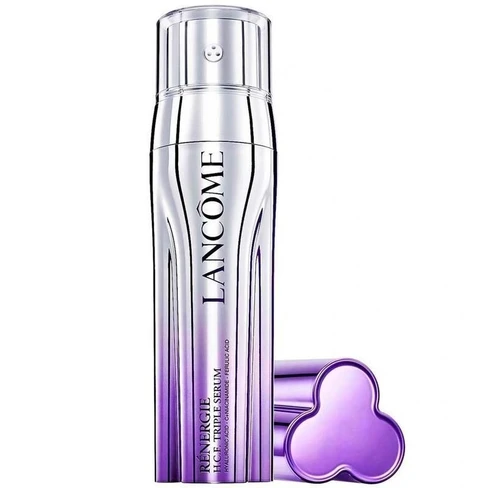
Investment-worthy vitamin C serums with advanced formulations and complementary actives for visible transformation.
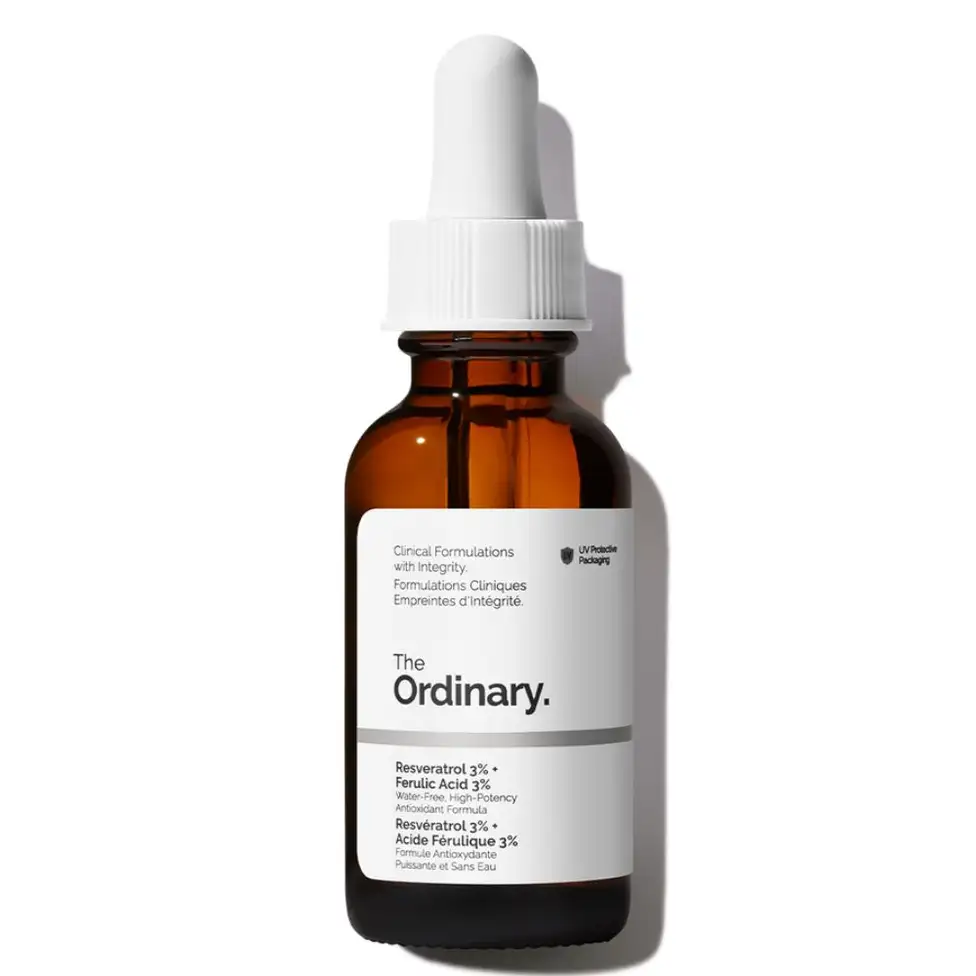
Premium vitamin C formulas stabilised with ferulic acid and vitamin E for maximum efficacy and skin benefits.
The Ordinary, Resveratrol 3% + Ferulic Acid 3% Serum 30mL £11.42 (5% OFF — was £12.01)
Matching the Formula to Your Face
What works for someone else might genuinely not work for you, and that is not a failure of either person — it is just skin being skin.
Oily and acne-prone skin needs a lightweight, fast-absorbing formula that does not add any heaviness to the surface. A serum with niacinamide alongside the vitamin C is worth seeking out here because niacinamide helps regulate sebum production while the vitamin C handles brightening and protection. Skip anything with heavy humectants or added oils. For dry or sensitive skin, the priority shifts to hydration and gentleness — look for formulas that include hyaluronic acid, glycerin, or squalane, and consider starting with a lower concentration (around 10%) before working up. If your skin is reactive, a derivative like sodium ascorbyl phosphate tends to be better tolerated than straight L-ascorbic acid, which sits at a lower pH and can sting. Combination skin has more flexibility than people realise: a balanced, lightweight serum that hydrates without being heavy will usually work across both zones without drama. Mature skin, though, is where I would genuinely argue for spending more — collagen-boosting and firming effects are most noticeable when the formula is high-quality and stable, and pairing vitamin C with peptides gives you a synergistic anti-ageing effect that cheaper formulas rarely replicate.
One quick note on concentration: the effective range is 10% to 20%. Below that, you probably will not see meaningful results. Above that, you are likely to get irritation without any added benefit.

Gentle, hydrating vitamin C serums suitable for dry and sensitive skin without irritation.
BIODERMA, Sébium Sensitive intensive hydrating and soothing cream for skin left… £15.3
Using It Right
Morning, not night. Vitamin C is an antioxidant that works best when it is on your skin as you head out into the world — it intercepts the free radicals from pollution and UV before they do their damage, rather than repairing things after the fact. Apply it to clean, dry skin (not damp — moisture dilutes it), wait a minute for it to absorb, then go in with moisturiser and SPF. That last part is non-negotiable: vitamin C makes your skin more photosensitive, so going out without sun protection on top is counterproductive.
Keep it away from retinol. They do not work well together when applied at the same time, and combining them tends to cause irritation without improving results. Vitamin C in the morning, retinol at night — that split is simple and it works. As for how much to use: a few drops, roughly the size of a pea, covers your whole face. Warm it between your palms and press it in rather than rubbing. More product does not mean better results; it mostly just means running out faster.
Storage makes a bigger difference than most people expect. Cool and dark is what you want — a bathroom cabinet away from the radiator is fine, and keeping it in the fridge is genuinely not a bad idea (it slows oxidation and the cooling sensation on a warm morning is unexpectedly pleasant). Once opened, most formulas hold their potency for three to six months. If it starts smelling odd or the colour shifts noticeably toward orange or brown, that is oxidation, and the product is done.
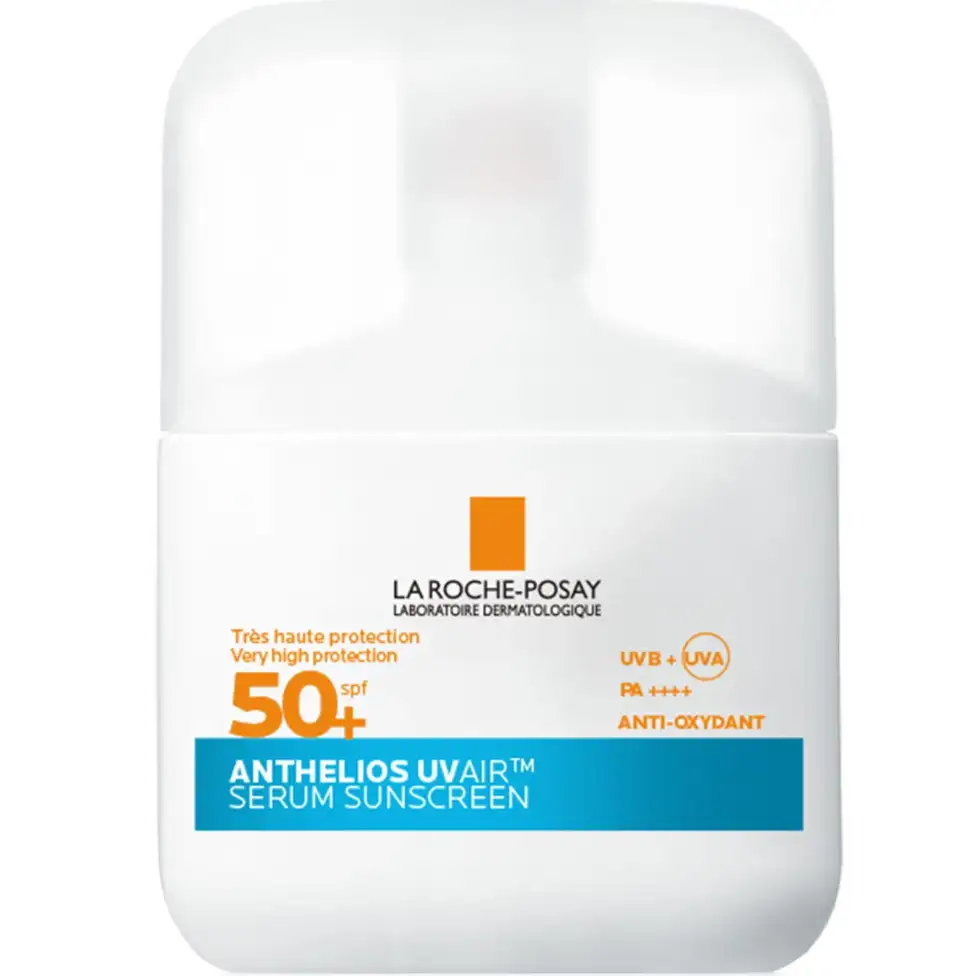
Vitamin C serums designed to be used as part of a morning skincare routine with sun protection.
The verdict
Vitamin C serum is one of the few skincare categories where the results are consistent enough across different skin types and price points that recommending it broadly actually makes sense — which is not something I say about many product categories. Pick something with proper packaging, a concentration between 10% and 20%, and ideally ferulic acid in the formula if your budget stretches to it. Use it every morning. Give it six weeks before you judge it. If your skin is sensitive, do a patch test first and start slow. The people who get disappointing results from vitamin C serums are almost always the ones who used it inconsistently, stored it badly, or bought a formula in clear packaging that had already oxidised on the shelf. Get those basics right and this will be the product you tell people about unprompted.
Frequently Asked Questions
How long does vitamin C serum take to work on dark spots?
Most people notice visible brightening within 4 to 6 weeks of daily use. Dark spots and uneven tone take a bit longer — expect 8 to 12 weeks for meaningful fading. Consistency matters more than anything else here.
Can I use vitamin C serum every day?
Yes, and you should. Morning application is ideal since vitamin C acts as an antioxidant shield against pollution and UV damage throughout the day. If your skin is sensitive, start with every other day and build up gradually.
What percentage of vitamin C should a serum contain?
Somewhere between 10% and 20% is the effective range. Below 10% and you probably won’t see much happen. Above 20% doesn’t add extra benefit but does increase the chance of irritation. Most dermatologists suggest 15% as a good starting point.
Why is my vitamin C serum turning orange or brown?
That colour change means oxidation — the vitamin C has degraded and lost most of its potency. It happens faster when serums are stored in warm or bright conditions. Once it’s discoloured, bin it and start fresh. A dark or opaque bottle helps slow this process down significantly.
Can I use vitamin C serum with retinol?
Not at the same time. Vitamin C and retinol used together can cause irritation and reduce how well both ingredients work. The standard approach is vitamin C in the morning, retinol at night. Keep them separated and your skin will handle both much better.



 No products in the cart.