

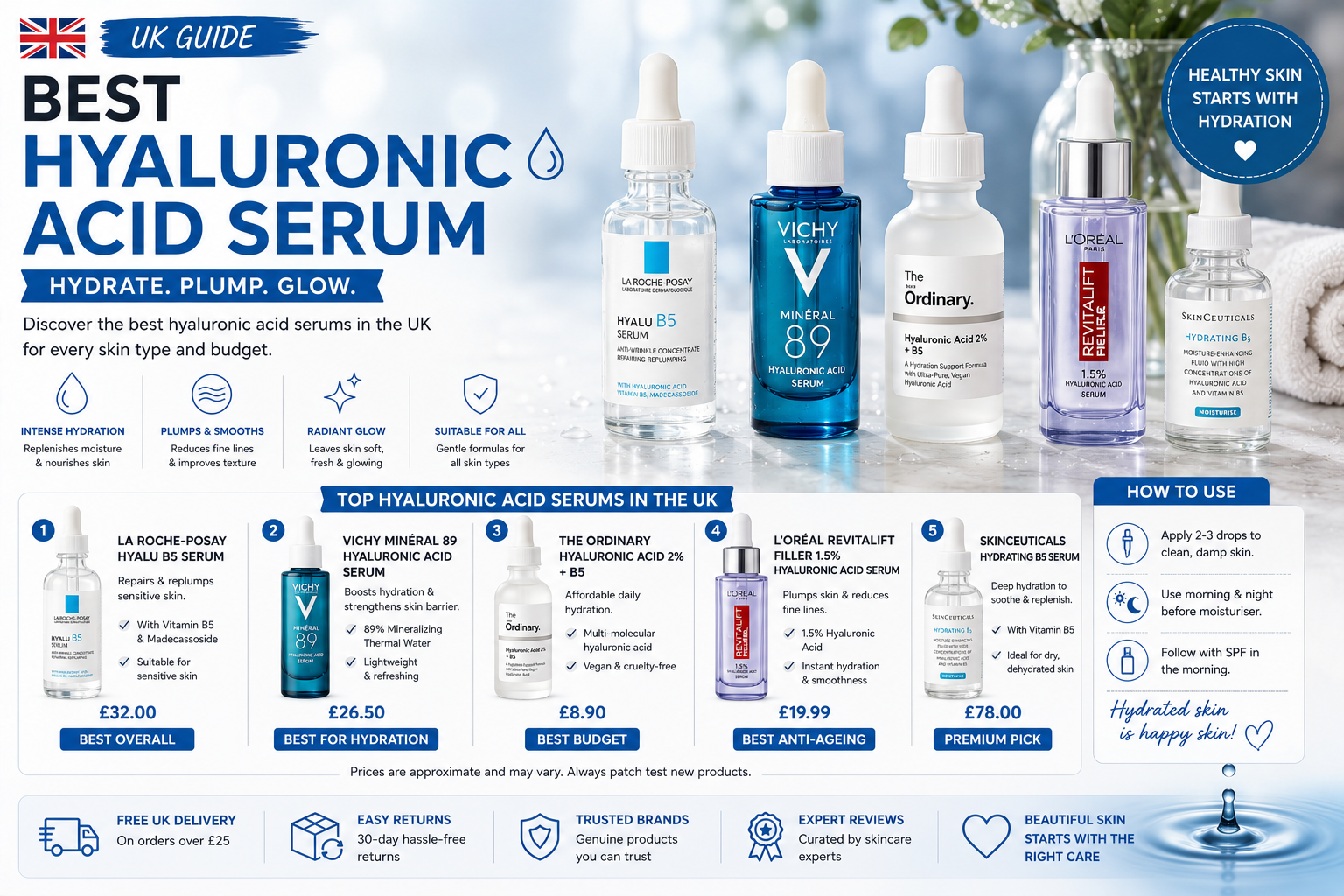
Here is something most skincare guides bury in the final paragraph: the best hyaluronic acid serum in the world will do absolutely nothing if you apply it to dry skin. That one mistake explains why so many people try this ingredient, shrug, and write it off as overhyped. Get the technique right first, and suddenly every product on this list performs like it costs twice as much.
Hyaluronic acid holds up to 1,000 times its weight in water. That is not marketing copy—it is basic biochemistry, and it is why this particular humectant pulls water from the surrounding air and surface moisture and holds it in your epidermis, giving skin that plump, almost lit-from-within look without any greasiness at all. I spent about three weeks going through various serums before I figured out the damp-skin step, and honestly, that changed everything. The same formula I’d dismissed as mediocre suddenly had my skin looking noticeably fuller by day four.
Why HA Works on Basically Every Skin Type
Oily skin? Hyaluronic acid is non-comedogenic and so lightweight it won’t register as a layer on your face. Dry skin? It is the closest thing to a cheat code your routine has. Sensitive, reactive complexions tolerate it well because there are no acids doing exfoliation work here, no retinoids pushing cell turnover—just water, held in place. If you are already using vitamin C, AHAs, or retinol and finding them irritating, layering a hyaluronic acid serum underneath those actives creates a kind of hydrating buffer that noticeably reduces the sting. Actually, that is not quite right—you apply HA after your actives, not beneath them, so it seals moisture in on top. The point stands: it calms things down considerably.
Under £20 and Actually Good?
You do not need to spend serious money here. The drugstore options below punch well above their price, use properly stabilised HA, and are the sort of products that end up in people’s routines for years rather than weeks. I have seen friends spend £60 on a serum that performed identically to a £14 CeraVe option—packaging flatters the ego but rarely does much else for the skin.

Budget-friendly hydrating serum under £20 for all skin types
CeraVe, Hydrating Hyaluronic Acid Serum 30ml 30ml £22.65 (19% OFF — was £28)

Lightweight gel serum with hyaluronic acid for oily and combination skin
CeraVe, Hydrating Hyaluronic Acid Serum for Hydrating Skin 30mL £16.60 (6% OFF — was £17.75)

Gentle affordable serum with hyaluronic acid for reactive complexions
Cosrx, Hydrium Triple Hyaluronic intensive skin hydrating serum with… £25.08 (15% OFF — was £29.50)
When the Splurge Actually Makes Sense
Premium serums earn their price tag in one specific way: molecular variety. Cheap formulas often use a single weight of hyaluronic acid, which means hydration stays mostly on the surface. The better options layer two or three molecular sizes—high-weight HA for immediate plumping, low-weight HA for deeper penetration, and sometimes sodium hyaluronate crosspolymer for a slow-release effect that keeps skin comfortable for hours rather than minutes. You are not paying for fancier packaging (though some of it is genuinely beautiful). You are paying for a more complete hydration picture, and if your skin is dehydrated at a deeper level—which shows up as dullness, not just flakiness—that distinction matters.
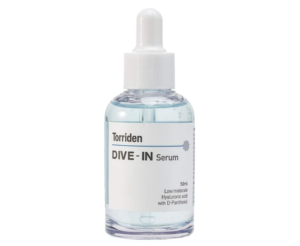
Luxury hydrating serum with advanced hyaluronic acid complex for mature skin
Torriden, DIVE-IN Low Molecular Hyaluronic Acid Serum 50mL £20.23
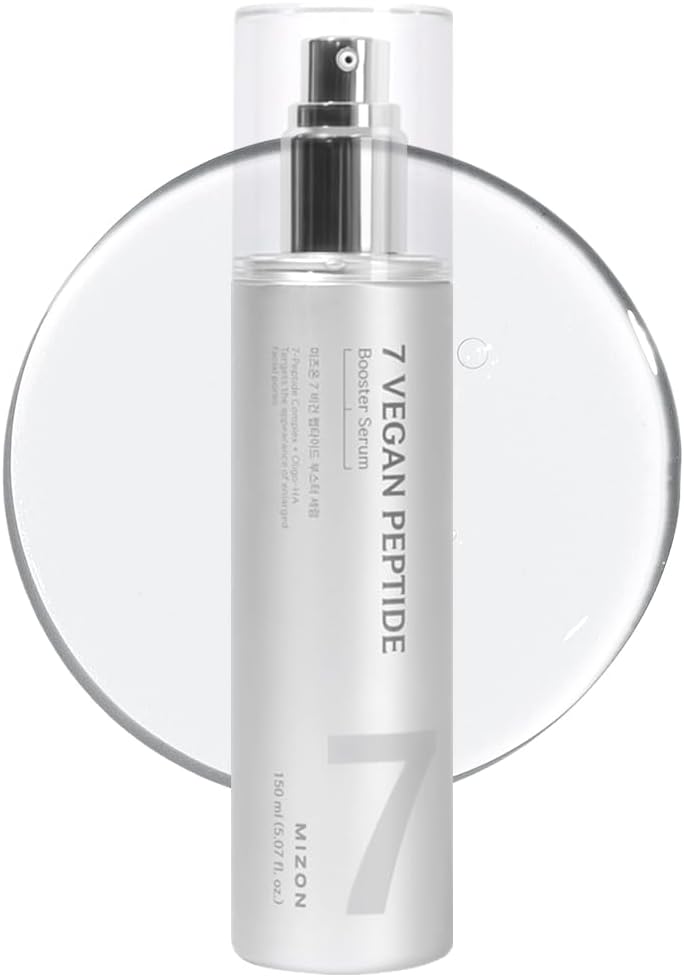
Premium serum combining hyaluronic acid with peptides for anti-ageing hydration
MIZON, 7 Vegan Peptide Booster Serum with Hyaluronic Acid 150mL £16.50 (20% OFF — was £20.63)
K-Beauty Figured This Out Years Ago
Korean skincare brands were stacking multiple forms of hyaluronic acid in a single formula long before it became a selling point in Western ranges. The philosophy is different—rather than one hero ingredient at a high concentration, the approach layers several HA types alongside fermented extracts, ceramides, and barrier-supporting botanicals, all at lower individual concentrations that together create something that feels genuinely silky without the slight tackiness some Western serums leave behind. Whether that philosophy is better is debatable. What is not debatable is that the textures tend to be exceptional, absorption is fast, and the price-to-performance ratio for many K-beauty options is frankly embarrassing for the luxury European market.

K-beauty hydrating serum with hyaluronic acid and fermented ingredients

J-beauty serum featuring hyaluronic acid for dewy, plumped skin
Australian Bodycare, Tea Tree Oil & Hyaluronic Acid hyaluronic serum for intensive… £8.50
How to Actually Apply This Stuff
Cleanse your face. Do not dry it completely—just pat once with a towel so it is damp rather than dripping. Press two small drops of serum into your skin with your fingertips; do not rub, just press and hold for a few seconds. Then—and this bit is non-negotiable—apply your moisturiser within about sixty seconds. That moisturiser is what creates the seal. Without it, hyaluronic acid can reverse direction entirely and pull water out of your skin, which is exactly as bad as it sounds and is also why so many people swear HA made them drier. It did not. They just skipped the last step.
Does the order of your other actives matter here?
It does. If you use vitamin C in the morning or retinol at night, apply those first while skin is still damp, wait thirty seconds, then layer your HA serum on top. The serum goes between your actives and your moisturiser every time, acting as a hydrating cushion that makes the whole routine gentler without diluting what those actives actually do. Twice daily is fine—mornings give you a hydrated base under SPF and makeup, evenings support the skin’s natural overnight repair process, which uses considerably more water than most people realise.
Consistent use for two weeks will tell you more than any single application. Fine lines soften. That tight, uncomfortable sensation after cleansing disappears. Skin feels more resilient in a way that is hard to describe precisely but very easy to notice when you stop using it. My honest opinion: if you are only going to add one serum to your routine this year, make it this one. Everything else works better when your skin barrier is properly hydrated, and nothing does that job more reliably than hyaluronic acid applied correctly.
Hey savvy shoppers! When the items in our articles catch your eye and you decide to buy through our links, we may earn a small commission at no extra cost to you. Think of it as a way of supporting us in bringing you the best content!
Frequently Asked Questions
Can I use hyaluronic acid serum every day?
Yes, and you probably should. Hyaluronic acid is gentle enough for twice-daily use on virtually all skin types, including sensitive and acne-prone skin. Morning and evening application works well.
Why does my hyaluronic acid serum make my skin feel tight?
You’re almost certainly applying it to dry skin. Hyaluronic acid needs existing moisture to bind to—if there’s none on the surface, it pulls water from deeper skin layers instead. Always apply to damp skin and follow immediately with a moisturiser.
What’s the difference between high and low molecular weight hyaluronic acid?
High molecular weight HA sits on the skin’s surface and creates a plumping, dewy effect you can see quickly. Low molecular weight HA penetrates deeper and works on hydration at a cellular level. The best serums use both, which is worth checking the ingredient list for.
Can I layer hyaluronic acid with retinol or vitamin C?
Absolutely. Apply your vitamin C or retinol first if they’re water-based, then follow with your hyaluronic acid serum. The HA acts as a buffer, calming potential irritation and keeping your barrier intact while stronger actives do their job.
How long before I see results from a hyaluronic acid serum?
Surface-level plumping and that dewy look can show up within a few days of consistent use. Deeper hydration improvements—softer texture, less visible fine lines, more resilient skin—typically take two to four weeks of twice-daily use.


 No products in the cart.