


Somewhere around the third dermatologist who mentioned she’d been using the same £22 La Roche-Posay serum for two years, I realised the expensive stuff doesn’t always win. That’s the most useful thing I learned after spending several months talking to UK skin doctors about what they actually put on their own faces at night — not what they hand out in consultations, but what sits on their own bathroom shelves.
Here’s what that means in practice: the products worth buying have clinical evidence behind them, not just good packaging. And the ingredients dermatologists keep coming back to are retinoids (the gold standard for fine lines), vitamin C (for brightness and protection), peptides (which signal skin to produce more collagen), and niacinamide (which does a frankly unreasonable number of helpful things at once). Everything else is largely noise.
Why Most People’s Anti-Aging Routine Isn’t Working
Your skin didn’t age overnight. It’s been a slow accumulation — sun exposure, broken sleep, stress, and yes, probably that phase where a tanning bed seemed like a reasonable idea. The frustrating part is that most people respond by buying more products rather than better ones, cycling through serums every few weeks when nothing seems to happen. Actually, that’s not quite right — they do see something, briefly, usually because a new moisturiser has temporarily plumped their skin with glycerin.
But then it fades and they’re back on the hunt. What dermatologists keep saying is almost annoyingly simple: one or two active ingredients, used consistently, for at least three months. That’s it. Your skin cells turn over every 28 days, so expecting visible results before six weeks have passed is optimistic at best. A decent retinol used four nights a week will outperform a £200 cream applied sporadically when you remember, every single time, because biology doesn’t care about price tags.
Worth knowing before we get into the products: SPF is the most effective anti-aging tool available. Not a serum. Not a peptide complex. Sunscreen, worn daily, because preventing damage beats treating it every time.
Serums That Actually Target Fine Lines
Serums penetrate deeper than creams and deliver actives more efficiently, which is why they’re the workhorse of any serious anti-aging routine. The ones dermatologists reach for share a common structure: at least one proven active (retinol, peptides, or hyaluronic acid) plus supporting ingredients that help it work rather than just filling out the formula.
I went through probably a dozen different options before settling on a shortlist. Some felt great but had ingredient lists that were mostly water and marketing. Others had strong actives but textures so unpleasant I’d have abandoned them inside a week — and texture matters, because a product you skip isn’t doing anything.
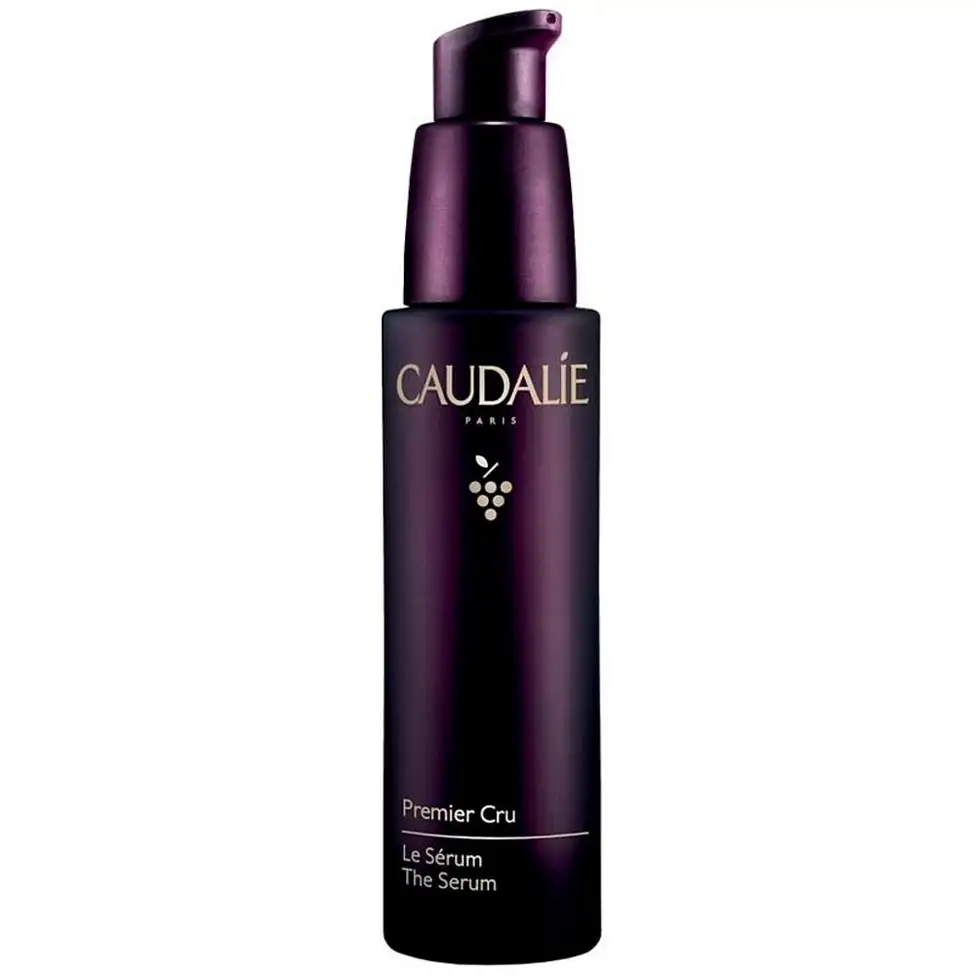
Retinol accelerates cell turnover and boosts collagen, making it the gold standard for reducing fine lines and improving skin texture
Caudalie, Caudalíe Premier Cru the Serum Anti-Aging Action £55.33 (20% OFF — was £69.17)

Hyaluronic acid holds up to 1000x its weight in water, plumping skin and temporarily minimising the appearance of fine lines

Niacinamide strengthens the skin barrier, reduces inflammation, and improves skin texture — all things that make wrinkles less obvious
Celimax, Pore + Dark Spot Brightening Face Serum 30mL £11.95 (20% OFF — was £14.95)
Retinol: Start Slow or Pay the Price
Every dermatologist I spoke to mentioned retinol. Every single one.
The clinical evidence behind it is stronger than any other topical anti-aging ingredient — it reduces fine lines, improves texture, fades age spots, and stimulates collagen. The problem is that most people burn through the introduction phase too fast, get irritated, and give up before they see any results. They start with too high a concentration, use it nightly from week one, and then wonder why their face is peeling. Start at 0.25-0.3%, use it twice a week for the first month, and build up slowly from there — your skin needs time to upregulate the enzymes that process it, and rushing that process gets you nowhere except red and flaky.
One more thing: retinol breaks down when exposed to light and air, which is why opaque, airtight packaging isn’t just aesthetic. If your retinol serum comes in a clear bottle with a dropper, it may be degrading every time you open it. The better-formulated options use encapsulation technology, where the retinol is wrapped in tiny spheres that release gradually and stay stable far longer.

A beginner-friendly retinol serum with lower concentration helps build tolerance while delivering proven anti-aging benefits

Retinol creams are richer and more soothing than serums, making them ideal for sensitive skin or those new to retinol
What Mature Skin Actually Needs
Once natural oil production drops — and this happens gradually from your mid-30s onward, accelerating after menopause — a lightweight serum alone won’t cut it. Richer creams aren’t indulgent. They’re filling a functional gap.
The best formulas for this life stage lean on ceramides (which repair a compromised skin barrier), peptides, and sometimes growth factors that nudge collagen production along. The eye area deserves separate attention too, since the skin there is thinner than anywhere else on your face and needs formulations that won’t cause milia or pull at delicate tissue when you apply them.
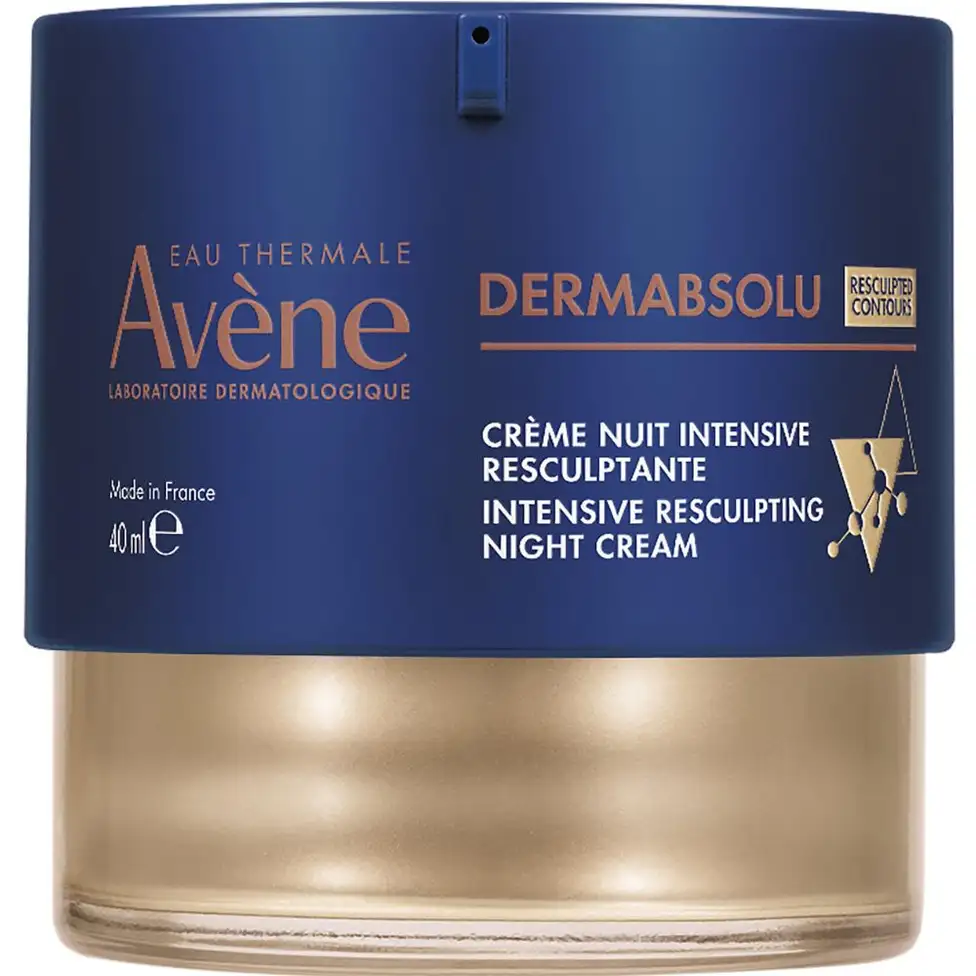
Night creams work while you sleep, delivering intensive hydration and active ingredients when your skin’s repair processes are most active
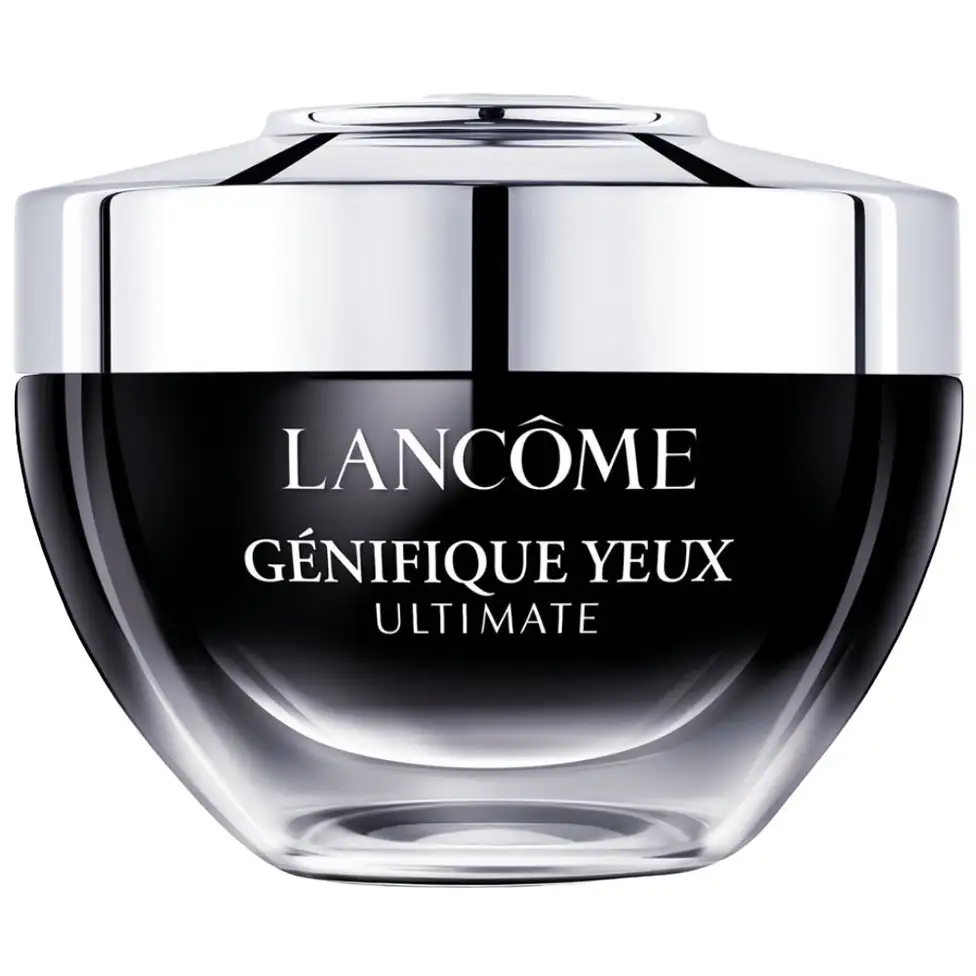
The eye area is thinner and more delicate, requiring specific formulations that address wrinkles, puffiness, and dark circles without irritation
Lancôme, Génifique Ultimate Eye Cream for Dark Circles and Wrinkles 20mL £56.52

A good daytime moisturiser with SPF is non-negotiable for anti-aging — sun damage is the primary cause of premature ageing
Does the price tag actually matter?
Sometimes. Not always. The honest answer is that it depends on what you’re buying.
Niacinamide and hyaluronic acid are genuinely affordable ingredients available in formulas that perform as well as anything at five times the price. Where premium products can legitimately justify the cost is in retinol and vitamin C — both are notoriously unstable, and better-funded brands invest in stabilisation technology and delivery systems that keep actives effective from first use to last. They also tend to have higher concentrations of the things that actually do something, rather than padding out a formula with water and fragrance.
The approach most dermatologists seem to land on, when they’re being candid, is a mixed one: spend more on a retinol serum or a vitamin C product where formulation quality genuinely matters, and pair it with affordable options for hydration and barrier support. Your moisturiser doesn’t need to cost £80. Your retinol probably shouldn’t cost £8.
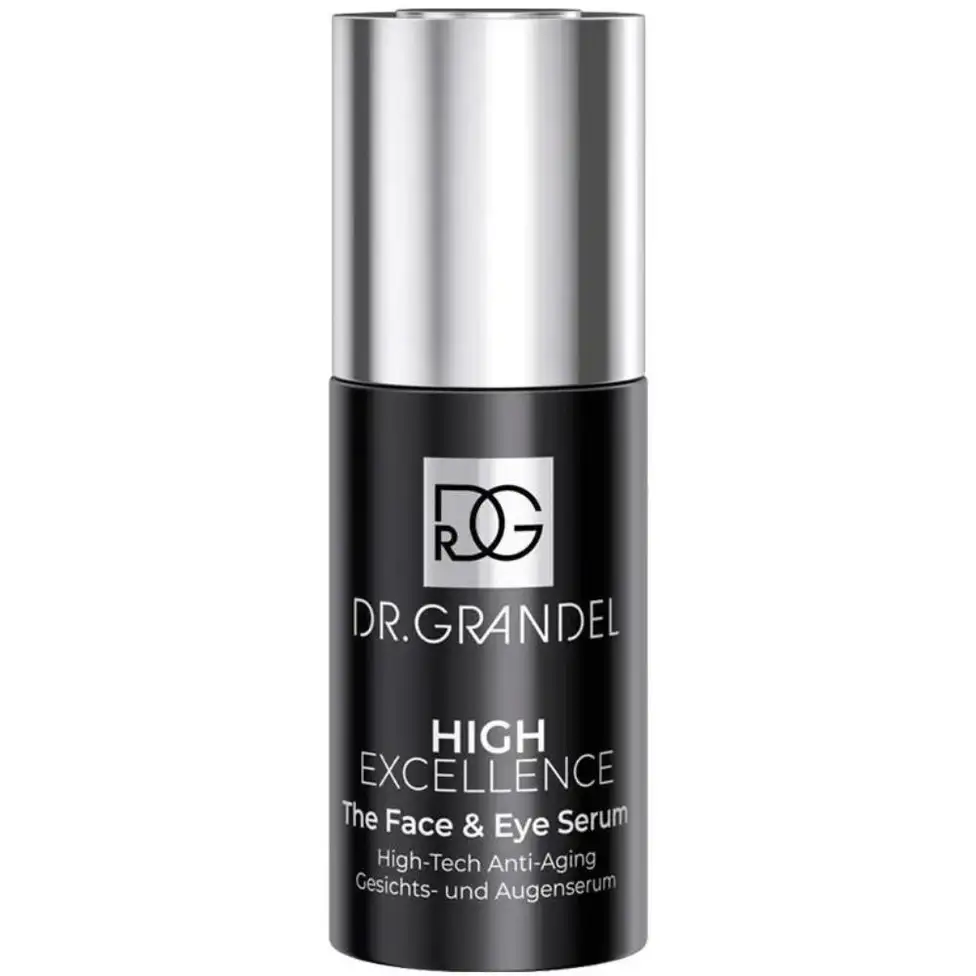
Premium serums often feature advanced stabilisation, higher active concentrations, or innovative delivery systems that justify the investment
Dr Grandel, High Excellence the Face and Eye Serum Anti-Aging 30mL £96.54
Building a routine that holds up
Start with two actives maximum. Let your skin settle. Add more only once you know how it’s responding — this is especially true with retinol, which can cause purging and irritation that gets misread as an allergic reaction when it’s actually just adjustment.
Layer thinnest to thickest: water-based serums first, then anything oil-based, then moisturiser to lock it all in. Vitamin C goes on in the morning where it can work alongside your SPF. Retinol goes on at night. Niacinamide and hyaluronic acid are flexible and can go in either routine or both. The basics of a good cleanser and daily sun protection are not optional steps you can skip when you’re in a rush — they’re the foundation that everything else sits on, and skipping them consistently will undo whatever your serums are trying to do.
What actually changes things, in my experience talking to people who’ve stuck with a routine long enough to see results, is lowering expectations for the first two months and raising them for the months after that. The skin that comes through on the other side of a consistent retinol routine genuinely looks different — clearer, smoother, with fine lines that have softened rather than deepened. Not transformed. Different. That distinction matters, and it’s what the evidence actually supports.
Hey savvy shoppers! When the items in our articles catch your eye and you decide to buy through our links, we may earn a small commission at no extra cost to you. Think of it as a way of supporting us in bringing you the best content!
Frequently Asked Questions
How long does it take for anti-aging serums to show results?
Most dermatologists say 6-12 weeks before you notice real changes in fine lines, and several months for improvements in firmness or texture. Skin cells turn over roughly every 28 days, so there are no shortcuts — consistency matters far more than any individual product.
Is retinol safe for sensitive skin?
Yes, but you need to introduce it slowly. Start with a low concentration (0.25-0.3%), use it just twice a week initially, and build up gradually. Retinol creams tend to be gentler than serums for people who find their skin reacts easily.
Do expensive anti-aging creams work better than cheap ones?
Not always. Niacinamide, hyaluronic acid, and basic retinol are available in affordable formulas that genuinely work. Where premium products sometimes justify their price is in ingredient stabilisation, concentration levels, and texture — all of which affect whether you’ll actually use the product consistently.
What is the single most effective anti-aging ingredient?
SPF, genuinely. It prevents UV damage, which is the primary driver of premature ageing. After that, retinoids have more clinical backing than any other topical ingredient for reducing fine lines and improving skin texture.
Can I use retinol and vitamin C together?
It’s generally better to use them separately — vitamin C in the morning (where it also supports your SPF), retinol at night. Using both at the same time can cause irritation, and they work better at different pH levels anyway.



 No products in the cart.