

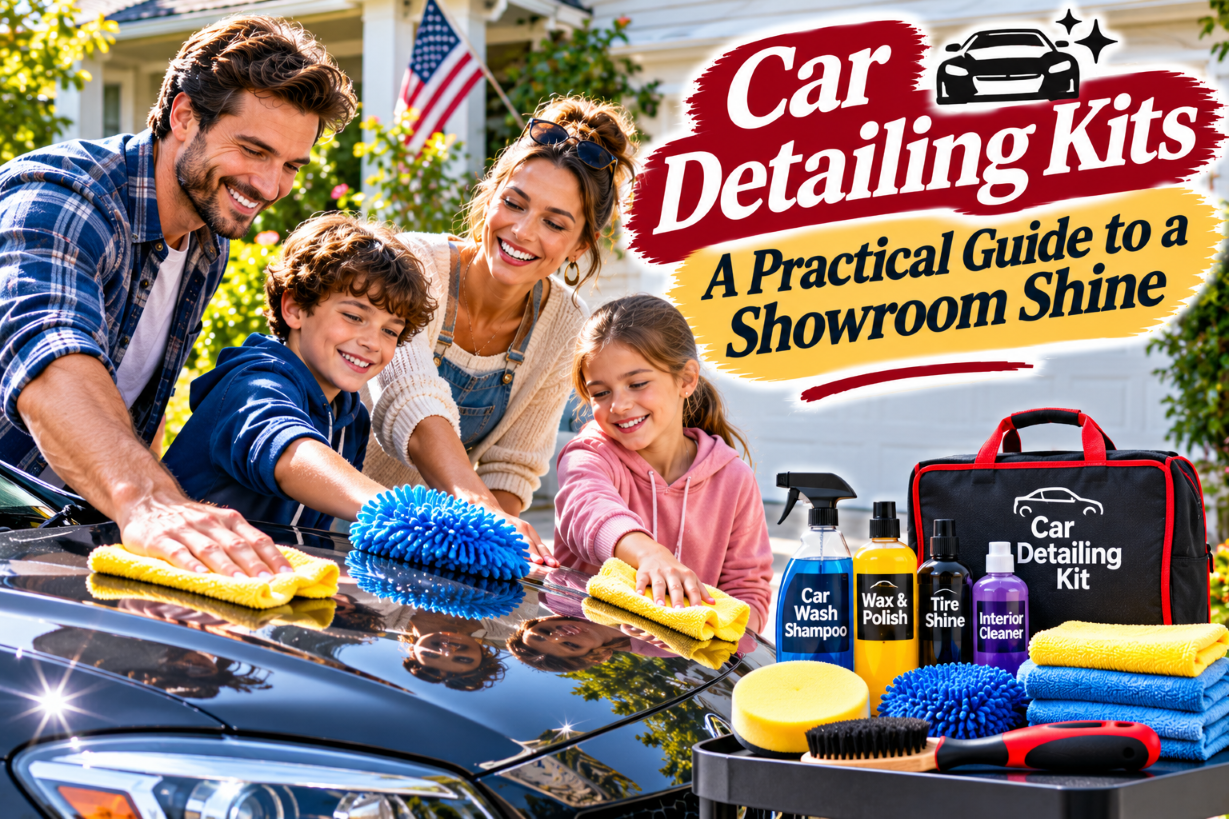
Brake dust is gritty stuff, and that one fact changes how you should shop for car detailing kits.
It means the towel that touched your wheels should never touch your hood. Most people learn this after leaving fine scratches across a dark door panel, and I did too. So before we talk about bundles, here is the real point: a kit is only worth buying if its contents match the messes you actually have, the space you actually own, and the patience you actually bring to a Saturday.
Is a bigger box really a better deal?
Not automatically. Some kits pack in a pile of products you will never use, while a smaller set might cover your routine just fine. When I first priced out a big bundle, I nearly bought it, then realized I owned half the bottles already. Start with the messes you see most often, then pick products and tools for those jobs. There is no need to pay for a detailing hobby you have not started yet.
Ask a simpler question instead. What bothers you most when you look at the car?
Starting small and staying sane
On a tighter budget, look for a set that covers the repeat jobs: a safe exterior wash, basic interior cleaning, and a way to dry surfaces without leaving lint everywhere. A compact kit makes sense if you wash at home a few times each season. It should make your routine easier. It should not ask you to learn five new techniques before you can clean a door panel.
Read the labels. Check whether a cleaner is meant for interior surfaces, exterior paint, glass, or several of those at once. A multi-surface product can save cabinet space, but it still needs clear directions about where it is safe. Keep glass cleaner away from screens unless the label says otherwise, and do not assume a strong scent means a stronger clean.
Look at what is missing, too. A wash solution with no drying towel leaves you grabbing an old bath towel from the hall closet. Interior cleaner with no microfiber cloth is only half a job. You can patch a gap with a separate purchase, but count the whole routine when you compare bundles side by side.
Entry-level sets come with a trade-off: fewer specialty tools, and thin cloths. That is fine for occasional upkeep. You may still want a couple of plush microfiber towels for paint and glass, and a separate stash for wheels and bodywork.
Midrange kits and the surface problem
If your car sees muddy shoes, snack crumbs, dog hair, or a daily commute, a midrange kit gives you more room to work. Look for a clear split between exterior care and interior cleaning, with products made for common cabin materials like plastic trim, vinyl, fabric, or leather. Match the cleaner to the surface. Do not collect one bottle for every square foot of the car.
Check your interior materials first. Cloth seats need a different approach from leather, and a coated dashboard is not bare wood. If the directions are vague, pause. Test any cleaner on a small hidden area, especially on older upholstery or trim that is already faded, because a minute of checking beats a pale spot you will notice on every single drive.
Tools matter here. Soft detailing brushes lift dust from vents and seams, but stiff bristles can scratch shiny trim. A narrow crevice attachment reaches between seats (though it will not pull embedded pet hair out by itself). For that, try an upholstery tool or gentle brushing. Nothing is magic against the fur your dog has woven into the cargo carpet.
Midrange bundles can still hold filler. Compare the contents with your needs before checkout. Fabric seats, leather, or neither? Do you need wheel care, or do you own a compatible wheel cleaner already? More variety also means more storage and more label-reading, and I would rather see fewer useful items than a crowded box of duplicates.
Specialty care, handled with caution
Advanced kits tend to focus on paint finishing, upholstery treatment, wheel cleaning, or other narrow tasks. They suit people who enjoy spending a few hours on the car, or who own a vehicle with delicate finishes. They also ask more of you. Follow the directions closely and understand the surface you are treating.
Separate routine washing from polishing or paint correction. A wash removes everyday grime. A polish does a different job and can change the surface itself. Do not buy an abrasive just because the bottle promises shine. Unsure whether your paint needs correction? Wash it carefully and inspect it in good light, and consider asking a professional detailer before trying something hard to reverse.
Coatings and protective treatments bring their own prep. The surface may need to be clean and dry, and some products have limits on temperature or cure time. Applying one in direct sun on a hot panel makes it harder to work with, while a dusty garage can undo careful prep. Find a calm, shaded spot.
The downside is real. Specialty kits cost more, take longer, and leave you with bottles that sit untouched after one project. Buy for a task you can name, not for a promise on the packaging. If the directions call for extra applicators or a separate prep cleaner, add those to the plan first.
Boring, repeatable, effective
If you clean the car often, convenience beats a huge assortment. A maintenance kit should make it easy to wash off ordinary dust and road grime, tidy the cabin, and dry everything properly. Think about where the car lives. A vehicle parked under trees needs different attention from one kept in a garage, and a family SUV collects a different kind of mess than a weekend coupe.
Set a rhythm. Pick a mild day, stay out of direct sun when possible, and move from less dirty areas toward messier ones. Wash the body before the wheels, since wheel grime splashes onto clean paint. Use separate cloths for glass, interior, and paint. Rinse or replace a cloth once it picks up grit, because dragging grit across a panel is a fast way to leave marks.
Inside, pull out loose rubbish first, then vacuum before wiping anything. That order keeps crumbs from turning into damp bits of debris. Loosen dust around controls with a small brush, but never spray liquid straight onto buttons or screens. Put cleaner on a cloth and go lightly around electronics.
One unglamorous limit: it still takes time. The payoff is that small messes stay small. A few minutes after a road trip can spare you from digging dried mud out of carpet weeks later. Keep your most-used supplies in one tote, and store chemicals upright and away from children and pets.
What the pros do differently
Method matters more than a shelf full of bottles. Work in shade, follow each label, and never let cleaner or wash solution dry on a surface. On a rainy Tuesday you may only have time for the windshield and floor mats. That still counts.
Use clean microfiber and give it its own wash load when you can. Skip fabric softener, which cuts absorbency. Keep a few towels for dirty jobs like wheels and door jambs, and never rotate them back into paint duty. A towel that looks clean can still hold fine grit, so if one lands on the ground, demote it to a rougher task.
For glass, grab a dedicated clean towel and finish with a dry side, which catches the streaks that appear when the sun hits the windshield. For upholstery, do not soak the material, since too much moisture dries slowly and can leave odors behind. Blot spills fast, work gently, and check the cleaner’s instructions for that surface.
Last tip: clean the tools after the car. Rinse brushes, wash cloths, empty the vacuum, and let everything dry fully before storing it. Actually, that is the part most people skip. The hose-down is less satisfying than a shiny hood, and I know it. Do it anyway.
Gear worth buying on its own
Kits vary so much that some essentials are better bought separately. A quality drying towel, a few microfiber cloths, a soft brush, and a vacuum attachment that fits your interior fill the usual gaps. Choose tools for the surfaces in your car, not for every gadget that shows up in a detailing video.
Storage counts as part of the setup. A lidded tote keeps bottles together in a garage, and a small trunk organizer can hold a cloth and a gentle interior cleaner for spills on the road. Do not leave chemicals in a hot vehicle for long stretches unless the label says it is safe, since heat can affect some products and containers.
Specialty tools have drawbacks. A brush that is handy for vents may be wrong for delicate leather, and a bulky vacuum attachment is awkward in a compact car. Check dimensions and bristle type before buying. For paint or sensitive trim, softer tools are the safer starting point.
Reading a sale without getting played
When you compare auto detailing deals, price the items you would actually use, not the piece count in the box. A big kit can look generous while hiding duplicate cleaners or small accessories that do not fit your routine. Check the contents, the intended surfaces, and how much storage the set needs.
Look for clear directions and sensible safety information. If you cannot tell whether a cleaner is safe for your dashboard or seats, do not guess. Check whether the kit includes reusable tools or mostly disposable pieces too. A bundle with fewer bottles and better cloths can be better value for someone who already owns basic cleaners.
Deals change, so a crossed-out price proves nothing. Compare the current bundle with buying the needed items separately, and ask whether you will finish the products before they expire or dry out. If a sale nudges you toward supplies for a task you will not do, it is not a deal for you.
Keep a short list: the surfaces you need to clean, the tools you own, and the jobs you want to tackle this month. That check points you toward the best car cleaning products for your own vehicle rather than whatever bundle has the biggest box.
My take: buy for your car, not the box
The right kit matches your surfaces, your schedule, and your patience for upkeep. Start with safe basics, add specialty care only with a clear reason, and keep separate tools for paint, glass, and dirtier areas. A steady routine beats an impressive collection of bottles gathering dust in the garage.
Before you shop, walk around your car inside and out, then write down the jobs that bother you most. Use that list to compare contents and skip anything that solves no real problem. A clean cabin and a cared-for finish do not need to eat your whole Saturday.
Some links on this page are affiliate links: if you buy through them we may earn a small commission at no extra cost to you. We only recommend products we would buy ourselves.
Frequently Asked Questions
Are car detailing kits worth buying?
They can be, if the contents match jobs you actually do. A bundle with duplicate cleaners or products you will never open is not a bargain, so compare it with buying the needed items separately.
What should a basic car detailing kit include?
A safe exterior wash, an interior cleaner, microfiber cloths, and a drying towel. Check the full routine, because a cleaner without a cloth or a wash without a towel leaves a gap.
Should I use the same towels on wheels and paint?
No. Wheel and brake dust is gritty, so keep those towels separate from the ones used on paint and glass.
How do I avoid damaging my car’s interior with cleaners?
Match the product to the surface, test it on a hidden spot first, and spray cleaner onto a cloth rather than directly onto buttons or screens.
Do I need paint correction products in my kit?
Probably not at first. Start with a careful wash, inspect the paint in good light, and ask a professional detailer before trying anything abrasive that is hard to reverse.


 No products in the cart.