

Hey savvy shoppers! When the items in our articles catch your eye and you decide to buy through our links, we may earn a small commission at no extra cost to you. Think of it as a way of supporting us in bringing you the best content!
Right, let’s talk about the ingredient that’s basically become a rite of passage in skincare. Retinol for beginners isn’t as scary as TikTok makes it sound, but it does require a bit of respect and patience. If you’ve been scrolling through skincare routines and wondering why everyone’s suddenly obsessed with this vitamin A derivative, you’re not alone. The thing is, retinol actually works — like, genuinely, scientifically proven to smooth fine lines, fade dark spots, and give you that coveted ‘I woke up like this’ glow. But jumping in with both feet? That’s how you end up looking like you’ve been sunburned from the inside out.
The good news? Starting a retinol routine doesn’t have to be complicated or painful. You don’t need to spend a fortune, and you definitely don’t need to panic if your skin gets a bit grumpy during the adjustment period. This guide will walk you through everything — from understanding what retinol actually is, to picking your first product, to the application tricks that’ll keep your skin happy. Whether you’re 25 and thinking ahead, or 45 and ready to tackle some serious skincare business, there’s a retinol entry point for you.
What Is Retinol and Why Does Everyone Love It?
Okay, so retinol is basically vitamin A in a form your skin can actually use. It’s not some trendy ingredient that’ll be replaced next season — dermatologists have been recommending it for decades because the science is solid. When retinol hits your skin, it converts to retinoic acid, which tells your cells to behave better: produce more collagen, turn over faster, and stop being so dramatic about texture and spots.
Here’s what actually happens when you use it consistently. Your skin cells start renewing at a faster rate, which means dead skin cells bugger off quicker and fresh ones come to the surface. That’s why people rave about the ‘glow’ — it’s not magic, it’s just your skin actually looking like skin instead of a tired, dull version of itself. Fine lines fade because collagen production gets a kick up the backside. Hyperpigmentation and acne scars improve because the cell turnover helps even things out. It’s genuinely one of the few ingredients where the hype is actually justified.
The retinol benefits extend beyond just looking better too. Your skin barrier actually gets stronger over time, which means less sensitivity to other products and less irritation from environmental stressors. Plus, it plays nicely with most other skincare ingredients once you’ve got the hang of it.
Now, here’s the bit everyone warns you about: the adjustment period. Your skin might get a bit red, flaky, or irritated when you first start. This is called the ‘retinization’ phase, and it’s totally normal. It usually settles down within 2-4 weeks if you’re smart about how you introduce it. This is why retinol for beginners requires a different approach than jumping straight to prescription-strength retinoids.
Starting Slow: Our Top Retinol Picks for First-Timers
When you’re choosing your first retinol, think of it like learning to drive — you wouldn’t start in rush-hour traffic on the motorway. You want something gentle, forgiving, and ideally in a stabilized form so it doesn’t degrade before it gets to your skin. The concentration matters too; beginners should be looking at 0.25% to 0.5% retinol, not the heavy-duty 1% stuff.
The beauty of the UK market right now is that there’s a proper range of beginner-friendly options. Some are from the high street, some from premium brands, and honestly, some of the best value is hiding in places you wouldn’t expect.
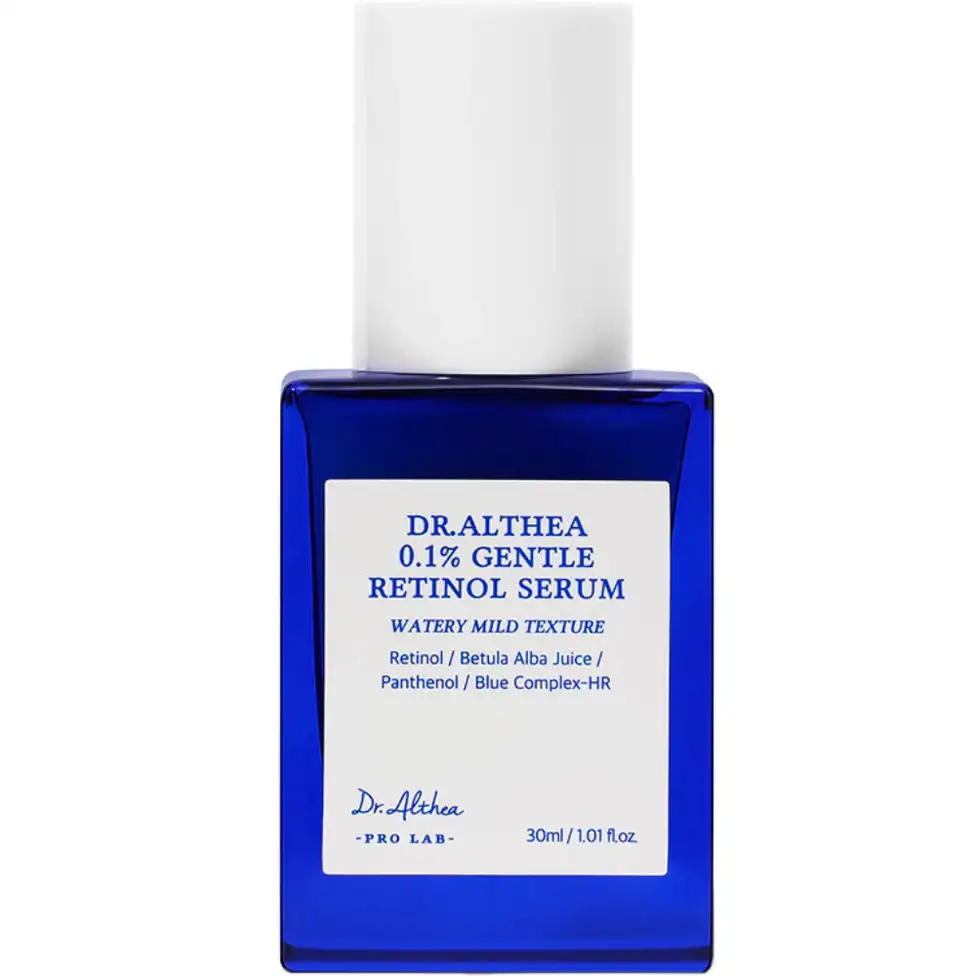
Perfect entry point for retinol beginners; low concentration minimizes irritation

Combines retinol with hydrating base for first-time users; cushions skin during adjustment
Origins, Plantscription™ Retinol Night Moisturizer With Alpine Flower… £56.8

Gentler retinoid alternative; converts to retinoic acid faster with less irritation
Paula’s Choice, Clinical PRO Retinaldehyde Treatment anti-wrinkle retinol serum 30 ml £63.1

Encapsulated or esterified retinol breaks down slowly; less irritating for sensitive skin

Non-prescription retinoid alternative; similar benefits without the irritation; good starter option
Inika Organic, Bakuchiol Serum Natural Retinol Alternative smoothing serum with… £55.5

Specialized formula for sensitive eye area; lower concentration; helps with fine lines without irritation

Used as a ‘buffer’ layer under retinol; reduces irritation during adjustment period
Beauty of Joseon, Revive Firming Moisturizer Ginsegn + Retinol nourishing smoothing… £18.1

Advanced retinoid with fewer side effects; still beginner-friendly compared to tretinoin
Medik8, r-Retinoate Day & Night Eye Serum rejuvenating eye serum 15 ml £111
The thing about picking your first retinol is that it doesn’t have to be expensive. Some of the most effective beginner retinols are under £20. What matters more is the formulation — you want it in an opaque pump bottle (not a jar where air gets in), and ideally stabilized so it doesn’t oxidize before you use it.
The Golden Rules of Retinol Application (Avoid the ‘Retinol Uglies’)
Right, this is where most people mess up. They use retinol like it’s a regular serum — slathering it on every night, using too much, not protecting their skin during the day. Then they get red, flaky, irritated skin and blame retinol. But honestly? It’s usually user error.
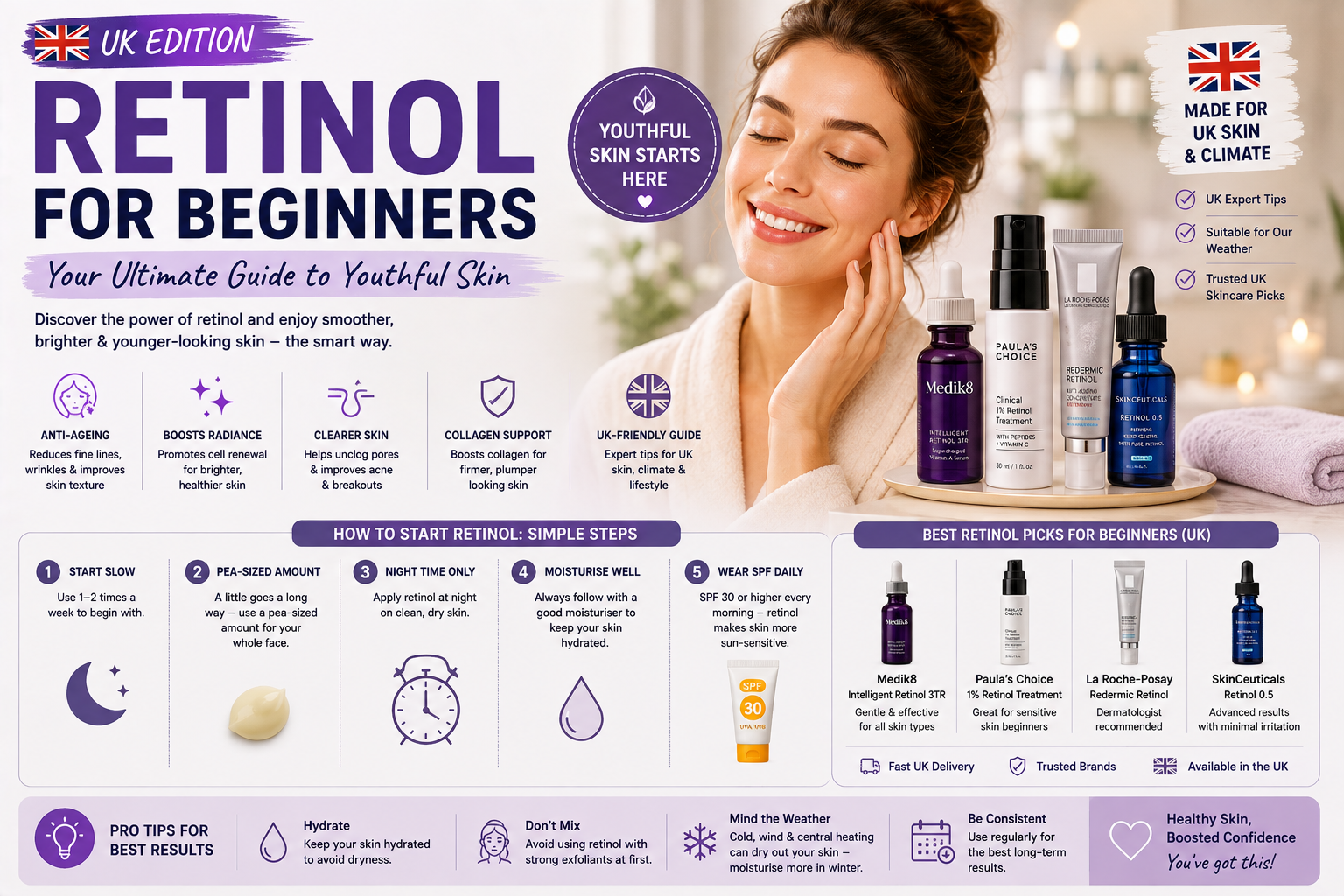
Rule one: start with the lowest frequency. Once or twice a week for the first two weeks. I know that sounds cautious, but your skin needs time to adapt. After two weeks, if you’re not having a meltdown, move to twice weekly. After another month, you can try three times a week. Eventually, you might work up to nightly use, but there’s zero rush. Consistency beats intensity every single time.
Rule two: use the ‘pea-sized amount’ rule. Seriously. A pea. Not a chickpea, not a grape. A pea. Retinol is potent, and more isn’t better — it just means more irritation and more waste.
Rule three: apply to completely dry skin. This is crucial. Damp skin means the retinol penetrates faster and deeper, which increases irritation. Wash your face, wait 20 minutes, then apply. I know it’s annoying, but it genuinely makes a difference.
Rule four: don’t mix it with everything. Retinol plays well with moisturizers and SPF, but avoid combining it with vitamin C, AHAs, BHAs, or other potentially irritating actives, especially when you’re starting out. Use those on different nights.
Rule five: sunscreen is non-negotiable. Retinol makes your skin slightly more sun-sensitive, and you’re also speeding up cell turnover, which means fresher, more vulnerable skin is coming to the surface. SPF 30 minimum, every single day, even when it’s cloudy. This isn’t optional.
The ‘retinol uglies’ — that red, flaky, irritated phase — usually last 2-4 weeks. Your skin might feel tight, look a bit shiny or red, and you might get some peeling. This is normal. What’s not normal? Severe burning, widespread rash, or blistering. If you get that, stop and maybe chat with a dermatologist.
To minimize irritation, use the ‘sandwich method’ if needed: apply a thin layer of moisturizer, then your retinol, then another layer of moisturizer on top. This buffers the retinol and reduces irritation without significantly reducing its effectiveness. It’s a proper game-changer for sensitive skin.

Essential when using retinol; protects newly exposed skin and prevents sun damage

Use before retinol application; removes impurities without disrupting skin barrier
Aveeno, Calm + Restore gel facial cleanser for sensitive skin 200 ml £10.6

Apply before retinol to add hydration layer; reduces irritation during adjustment period
Revolution Skincare, Happy Hydrate Tremella Mushroom Hydrating Toner Essence moisturising… £6.2

Used as buffer and follow-up; strengthens skin barrier during retinol transition
PURITO, Luminous Ceramide Moisturizer soothing face cream for dry and… £25.6

Optional final layer; seals in moisture and reduces transepidermal water loss
Kérastase, Gloss Absolu High-Gloss Lightweight Oil 45ml £32 (20% OFF — was £40)
Drugstore vs. Premium Retinols: What’s the Difference?
Here’s something that might surprise you: the best retinol for beginners isn’t always the most expensive one. I’ve seen people spend £80 on a luxury retinol and get worse results than someone using a £15 drugstore option. The difference isn’t always about quality — it’s about formulation, stabilization, and sometimes just luck.
Drugstore retinols (think Boots, Superdrug, Sainsbury’s) have come a long way. They’re often surprisingly effective, especially for beginners. The downside? Stability can be hit-or-miss. Some brands use unstabilized retinol, which means it’s degrading before it even gets to your skin. You also might not get as much guidance on how to use it properly. But the upside is price — you can try it without dropping £60.
Premium retinols usually have better stabilization technology, more research behind the formulation, and often come with better packaging (opaque pumps instead of clear bottles). They might include complementary ingredients that work synergistically with the retinol. But are they three times better than drugstore options? Not necessarily. They’re often just… nicer. Better texture, better scent, better experience.
For beginners specifically, I’d honestly suggest starting with a mid-range option — something between £15 and £40. You get decent stabilization, decent packaging, and if it doesn’t work for you, you haven’t spent a fortune. Brands in this sweet spot often deliver better bang-for-buck than either extreme.
One thing to check regardless of price: the retinol concentration and form. Is it retinol, retinyl palmitate, retinaldehyde, or something else? Retinol itself is a good starting point. Retinyl palmitate is gentler but less potent. Retinaldehyde is a middle ground. Prescription retinoids like tretinoin are stronger but require a GP visit. For true retinol for beginners, stick with retinol or retinaldehyde.

Mid-range retinol; good stabilization without premium price tag
CeraVe, Resurfacing Retinol Serum with Ceramides & Niacinamide for Blem £23

Higher-end option; enhanced stabilization and complementary ingredients

Luxury retinol option; richer texture and advanced formulation
Building a Retinol-Friendly Skincare Routine
Okay, so you’ve picked your retinol and you’re ready to start. But using retinol doesn’t mean ditching everything else — it means being strategic about what goes where. Your routine needs to support your skin during the adjustment period and beyond.
On retinol nights, keep it simple. Cleanse gently, wait for your skin to dry completely, apply any hydrating toner or essence if you want, then your retinol, then a good moisturizer. That’s it. Don’t add serums, acids, or active ingredients. Your skin is already getting stimulated.
On non-retinol nights, you can be more adventurous. This is when you use your vitamin C serum, your AHA or BHA, your hydrating masks — whatever else is in your arsenal. The key is spacing things out so your skin isn’t overwhelmed.
Your morning routine stays pretty consistent regardless. Gentle cleanser, hydrating toner if you use one, any serums (vitamin C is great in the morning), moisturizer, and crucially, SPF. Every. Single. Day. I cannot stress this enough. Retinol makes your skin more photosensitive, and you’re also speeding up cell turnover, so that fresh skin underneath is more vulnerable to sun damage.
For the first month while your skin is adjusting, I’d suggest keeping your routine minimal. Cleanser, retinol, moisturizer, SPF. Once your skin has settled and you’re not getting irritation, you can slowly add other things back in. But introduce them one at a time, spaced a week or two apart, so you know what’s causing any issues if they crop up.
Here’s a realistic timeline: Week 1-2, use retinol once or twice weekly. Your skin might feel a bit tight or look slightly red — this is normal. Week 3-4, move to twice weekly if you’re handling it well. By week 5-6, you might be ready for three times weekly. By month 2-3, you might be comfortable with nightly use, though honestly, many people stick with 3-4 times weekly and get brilliant results.
What you’re looking for as signs it’s working: fine lines looking softer, skin texture improving, dark spots fading, overall glow improving. What you’re not looking for: severe irritation that doesn’t settle, allergic reactions, or persistent peeling after the first month.

Critical follow-up to retinol; seals in hydration and supports barrier repair
Depot, 800 SKIN SPECIFICS NO. 809 NIGHTLY FACE MOISTURIZER hydrating night… £22.8

Non-negotiable; protects sun-sensitive skin from retinol use
Beauty of Joseon, Unisex Daily Tinted Fluid Sunscreen Spf30 £14.86 (13% OFF — was £17)

Use on non-retinol nights; strengthens barrier and supports retinol benefits
EQQUALBERRY, Purple PDRN Pore Minimizing Serum pore-minimising serum for radiance… £18.8

Use on non-retinol nights; boosts hydration during retinol adjustment period
Medicube, Salmon DNA PDRN Pink Collagen Jelly Gel Mask 4 Pack Overnight… £14.99

Often forgotten; lips also get irritated by retinol; protect them
La Roche-Posay, Anthelios UVMUNE Color Moisturizing Cream SPF50+ 50ml £16.35
The honest truth about retinol for beginners? It’s not complicated, but it does require patience and consistency. You’re not going to see dramatic results in two weeks. But give it three months of consistent use, and you’ll genuinely notice a difference. Your skin will be clearer, smoother, more radiant. The fine lines around your eyes will soften. Your skin tone will be more even. And you’ll wonder why you didn’t start sooner.
The key is respecting the ingredient, starting low, and giving your skin time to adapt. Don’t rush the process, don’t skip the SPF, and don’t panic if your skin gets a bit grumpy for a few weeks. That’s just part of the journey. Once you get through the adjustment period, you’ll have one of the most effective anti-aging ingredients in your routine, and honestly, there’s no going back.


 No products in the cart.