


Here’s the conclusion dermatologists landed on decades ago, and the skincare industry has spent billions trying to bury: four ingredients do essentially all the work. Retinol, vitamin C, hyaluronic acid, and SPF. That’s it. Everything else — the jade rollers, the fermented essences, the seventeen-step routines — is optional at best.
I spent most of last year bouncing between a three-product minimalist routine and something so overcomplicated I had a spreadsheet to track it. The difference in my skin between those two extremes? Negligible. What actually moved the needle was whether those four core ingredients were present and used consistently. Once I figured that out, I stopped buying things out of anxiety and started buying things with a reason.
Why do dermatologists keep circling back to these same four?
Not because they’re boring — though honestly, they kind of are. It’s because they have something most trending skincare ingredients don’t: decades of peer-reviewed evidence behind them, across different skin types, different climates, different ages. They’re not Instagram-famous because they photograph well. They’re famous because they work on actual patients in actual clinical settings, and dermatologists have been watching that happen for long enough to feel confident saying so.
Retinol First
Retinol is the one ingredient dermatologists seem almost emotionally attached to, and it’s not hard to see why. It’s one of the very few topical ingredients with solid evidence that it changes skin at a cellular level — not a temporary plump, not a morning glow, but actual structural change: more collagen, faster cell turnover, clearer pores. Your skin, operating more like it did ten years ago. The catch is that retinol has a learning curve that most people underestimate, and rushing it is exactly how you end up with a raw, flaking face that puts you off the ingredient forever. Start at 0.25% to 0.3%, use it two nights a week, and treat the first two months as an adjustment period rather than a results period — because the results, when they come around week eight or ten, are genuinely worth the patience. It works for acne, for fine lines, for uneven texture, for that general dullness that’s hard to name but easy to see. Use SPF every morning without exception, because retinol makes skin more sun-sensitive, and undoing your progress with UV damage would be a waste.

entry-level retinol for building tolerance and starting an anti-aging routine

gentle retinol-infused moisturiser for evening use and barrier support
Vitamin C is fussier than anyone admits.
Think of it as the high-maintenance one in this group. It brightens uneven skin tone, protects against environmental damage throughout the day, and supports collagen production alongside retinol — but it degrades fast when exposed to light and air. A vitamin C serum sitting in a clear bottle on a sunny bathroom shelf for four months is, for all practical purposes, expensive water. Look for opaque or dark glass packaging, check that the concentration sits between 10% and 20% L-ascorbic acid (or a stabilised equivalent), and replace it before it turns orange. Apply it in the morning after cleansing, give it sixty seconds to absorb, then layer everything else on top. Results show up in a couple of weeks as brighter, more even skin — the longer-term anti-ageing benefits take months, but they’re real.
Hyaluronic Acid: One Rule
Apply it to damp skin. That’s the rule people skip, and it’s the reason half of them think hyaluronic acid doesn’t work for them.
Hyaluronic acid is a humectant — it pulls moisture toward itself. Apply it straight after cleansing while your skin is still slightly wet, then seal it with a moisturiser on top. Done that way, it’s genuinely impressive: one molecule can hold up to a thousand times its weight in water, which sounds like marketing copy but is actually just chemistry. Skin looks plumper, fine lines soften, that tight dehydrated feeling disappears within days. It also gets along with everything else in this list without complaint, which makes it easy to slot into any routine without worrying about interactions.
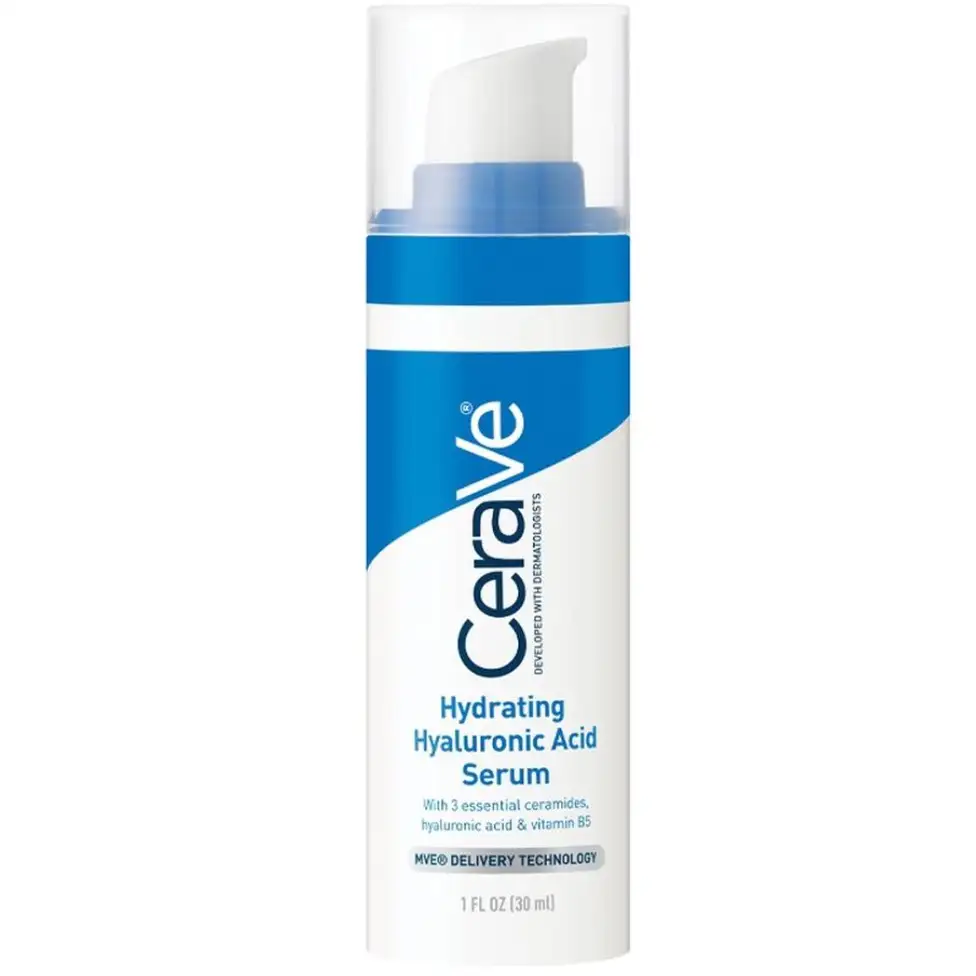
hydrating hyaluronic acid serum for plumping and moisture retention
CeraVe, Hydrating Hyaluronic Acid Serum for Hydrating Skin 30mL £16.6

hydrating moisturiser with hyaluronic acid for all skin types
Neutrogena, Hydro Boost Water Gel Moisturiser 50ml £13.41 (54% OFF — was £29.16)
SPF is not optional.
UV damage accounts for roughly 80% of visible ageing. Sun spots, wrinkles, that rough leathery texture people blame on ‘getting older’ — most of it is actually accumulated sun exposure. SPF 30, every morning, is the single highest-return thing you can do for your skin’s long-term appearance, and it takes about forty-five seconds to apply. The argument that you’re indoors most of the day doesn’t hold either — UVA rays come through glass. (I used to skip SPF on work-from-home days, which, in retrospect, was not clever.)
The good news is that modern sunscreens are nothing like the thick white paste people remember dreading. Lightweight gels, tinted fluids, invisible formulas that sit comfortably under makeup — there are genuinely good options now at every price point. The best one is whichever you’ll actually use every single day without skipping, so prioritise texture and feel over anything else.
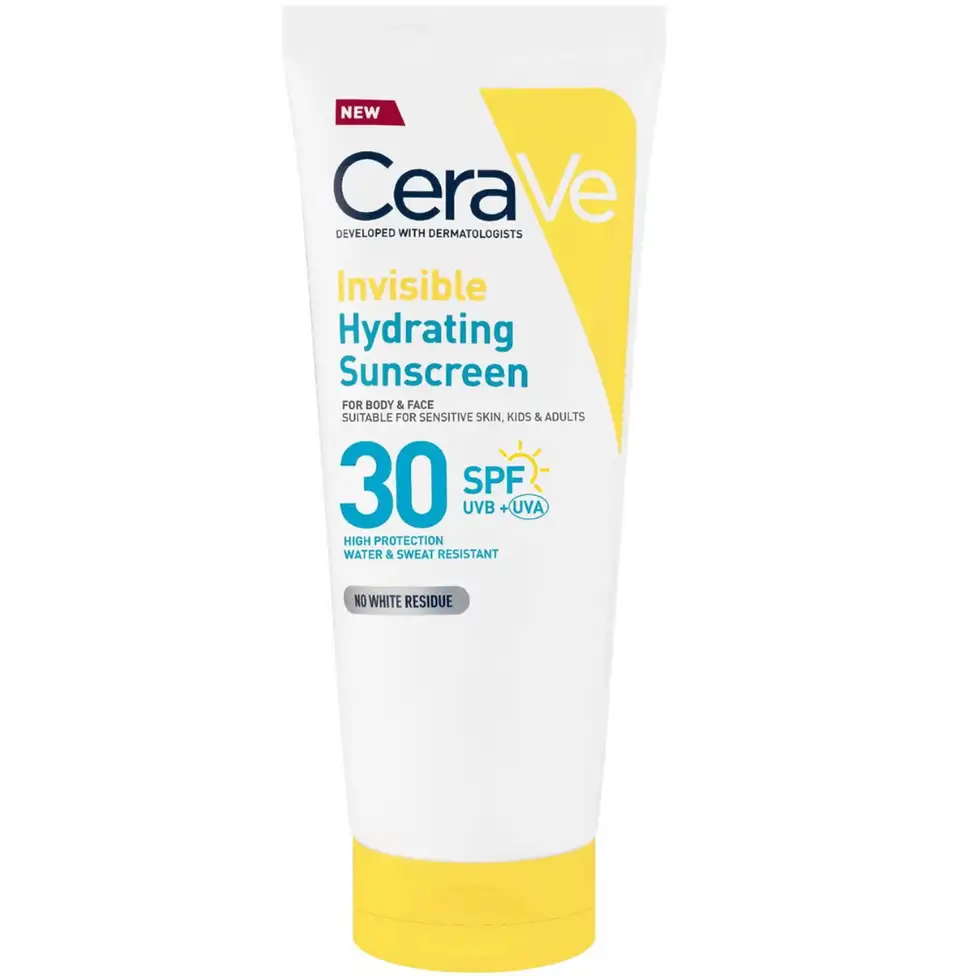
everyday facial SPF for UV protection and anti-ageing defence
CeraVe, Invisible Hydrating Sunscreen for Face and Body 75mL SPF30 £9.15

high-protection SPF moisturiser combining hydration and daily sun defence
La Roche-Posay, La Roche Posay Anthelios UVMune Sunscreen 400 Color Fluid SPF50+ 50ml £15.72
What does the actual routine look like?
Simpler than you’d expect. Mornings: cleanse, vitamin C serum, hyaluronic acid on damp skin, moisturiser, SPF. Five minutes. Evenings: cleanse, hyaluronic acid, moisturiser, then retinol two or three nights a week to start. On the other nights, stop after the moisturiser.
That’s the whole thing.
Consistency matters more than any individual product choice here. A basic retinol and a drugstore SPF used every day will outperform a premium ten-step routine used sporadically — not because expensive products don’t work, but because frequency of use is what drives results with these ingredients. Dermatologists aren’t recommending the same four things out of laziness or lack of imagination. They’re recommending them because, across thousands of patients, these are the ones that actually deliver. If you have specific concerns like rosacea or severe acne, a dermatologist can help you adapt the routine — but for most people, this is genuinely enough. The rest is just noise.
Hey savvy shoppers! When the items in our articles catch your eye and you decide to buy through our links, we may earn a small commission at no extra cost to you. Think of it as a way of supporting us in bringing you the best content!
Frequently Asked Questions
Can I use retinol and vitamin C together?
Yes, but not at the same time. Apply vitamin C in the morning and retinol at night. Using them in the same routine can cause irritation, and separating them means both ingredients work at their best.
How long before I see results from these four ingredients?
Hyaluronic acid works within days — skin feels plumper almost immediately. Vitamin C brightens over two to four weeks. Retinol takes the longest: expect eight to twelve weeks before you notice real changes in texture and fine lines.
Do I really need SPF if I’m mostly indoors?
Yes. UVA rays pass through windows and are the main driver of premature ageing. If you’re using retinol or vitamin C, daily SPF is non-negotiable — both ingredients increase sun sensitivity.
What percentage of retinol should a beginner start with?
Start at 0.25% to 0.3%, used two or three times a week. Going straight to a high concentration is the most common mistake — it causes irritation that puts people off retinol entirely. Build slowly over eight to twelve weeks.
Is hyaluronic acid suitable for oily skin?
Absolutely. Hyaluronic acid is a humectant, not an oil — it adds water, not grease. Most people with oily skin are actually dehydrated, and hyaluronic acid addresses that without clogging pores or adding shine.



 No products in the cart.