

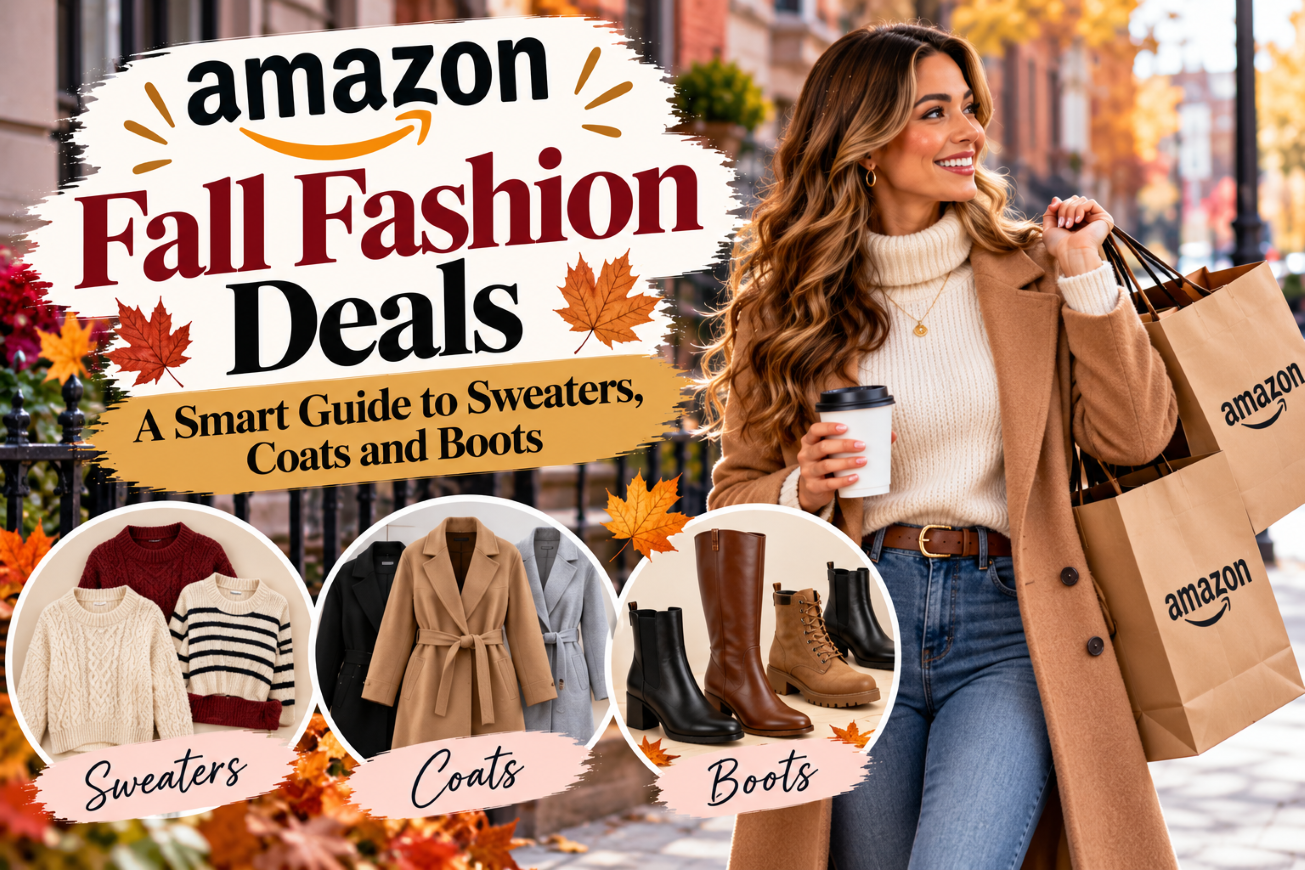
The sweater I almost bought last October looked perfect in the listing photo. It was also scratchy after twenty minutes.
That is the whole lesson of Amazon fall fashion deals, really. A low price only helps if the piece fits, feels right and works with clothes already hanging in your closet. Everything below follows from that.
I treat online sale browsing as a small wardrobe audit instead of a race to fill a cart. Start with the gap you actually feel on a chilly morning. Check fabric details, sizing notes and the return window before you get attached to a color. A bargain should make getting dressed easier. It should not hand you one more thing to mail back.
Which sweater will you actually reach for?
Texture, weight and shape decide that. Cable knits bring the classic fall look, while finer ribbed styles slide under a jacket without bunching. Neither wins automatically. Think about an ordinary weekday, not how the sweater looks folded in a photo.
Read the fiber content and care instructions first. Acrylic blends are easy to wash and often cost less, though they can feel warmer and less breathable than cotton. Wool blends give more warmth for their weight but may need gentler care. If your skin is sensitive, scan the reviews for anyone mentioning itchiness, because a soft-looking knit can turn scratchy after an hour, and by then you have already cut off the tags and talked yourself into keeping it.
Fit matters just as much. A relaxed shape works over a tee and feels good on a long desk day, but too much volume bunches under a coat. A closer cut layers neatly, though it can feel restrictive with little stretch. Compare garment measurements against a sweater you already like. That beats trusting a size label.
Necklines count too. Crew necks layer easily and suit most outfits. V-necks leave room for a collared shirt or a simple necklace. Turtlenecks add warmth on windy commutes but feel snug if you dislike fabric near your throat. My test is simple: could I wear it all afternoon without tugging? If I hesitate, I keep scrolling.
Color needs a practical check. Cream, charcoal, navy and brown work with several coats and trousers, while a bright seasonal shade livens up a closet of basics. Screens distort color, so look at customer photos in natural light. Pale knits show makeup, coffee splashes and lint faster than dark ones.
Coats on a budget, without the regret
Decide what job the coat has. A lightweight jacket handles a mild afternoon over a tee. A lined coat makes more sense for cold mornings or long waits at the bus stop. Trench-inspired shapes are handy in rain, but they are no substitute for insulation in a real cold snap, so climate and time outdoors should drive the choice.
Look past words like warm or water-resistant. They cover a huge range of performance. Does the listing describe a lining, a wind-blocking closure, an adjustable hood? If you walk to work in drizzle, a hood and secure pockets beat a dramatic collar. If you drive everywhere, a bulky coat may spend more time on the back seat than on your shoulders.
What about length?
Shorter jackets move easily and pair well with jeans. Longer coats cover dresses and trousers, but the hem gets awkward on stairs or climbing into a car. Find photos of someone close to your height and read comments about where the hem lands.
Shoulders and sleeves can make or break outerwear. You want room for a sweater underneath, but not so much that the coat slides around. Compare the size chart with a jacket you own. If reviews keep mentioning narrow arms or short sleeves, believe them. I would take a plainer coat that lets me move over a sharp one I cannot button comfortably.
Lighter, cheaper outerwear has a trade-off. It packs and layers well, yet it may not survive heavy rain or rough wear. For occasional errands, fine. For a daily wet commute, construction and coverage deserve more attention than a small markdown.
Boots that fit your route
Start with where you actually walk. A low-heeled ankle boot handles errands and casual office days. A taller shaft covers more under skirts or slim trousers, though it runs warmer and takes longer to pull on. Walking several blocks? Comfort and grip come before any trend detail.
Check the outsole description and what customers say about traction. Smooth soles look sleek but can slip on wet leaves. A chunky tread grips better, though it may look heavy with a delicate outfit. No sole suits every plan (I learned that on a rainy sidewalk in thin-soled loafers). Match it to your weather and surfaces.
Closure and entry deserve a look. Side zippers help when you are rushing out the door, while pull-on styles look clean and simple. A narrow opening is a hassle with thick socks or wider calves. Find shaft circumference measurements where listed, and see whether reviewers struggled getting the boot on. A cute boot that needs a wrestling match stays in the closet.
Materials shape both feel and upkeep. Synthetic uppers wipe clean easily, but they crease differently from leather and may never soften. Leather molds to your foot over time, yet it needs care and handles heavy rain less gracefully. Read the care guidance, especially if fall means muddy sidewalks by lunchtime.
Read fit reviews slowly. Look for repeated comments about toe room, heel slip or sizing differences instead of letting one glowing review decide. Between sizes? Think about your socks, since thick ones change the fit. And if returns are a pain for you, favor listings with clear sizing and a policy you understand.
Small extras, smarter scrolling
Accessories stretch a fall wardrobe without adding bulk. A scarf warms your neck, a belt reshapes a loose dress or coat, and tights make skirts practical as temperatures drop. Pick extras that solve a problem you already have. Three scarves in nearly the same color means a fourth will not transform anything.
Compare the final price with fabric, construction and likely wear. Marked down does not mean good value, especially if the piece needs special care or only works with one outfit. Before buying, I picture four outfits: jeans, a work look, a relaxed weekend, and something dressier. If that feels like a stretch, it is a fantasy purchase.
Reviews help, with some judgment. Search for fabric weight, color accuracy and how the piece holds up after washing. A review saying love it tells you less than one explaining that the sweater runs short or the coat has a stiff lining. Customer photos add context, though lighting and fit preferences vary. Look for patterns across several comments, not one report.
Check the seller, delivery estimate and return terms on the listing. Policies differ, and sale items can carry conditions. Screenshot the size chart if you are comparing options, since details change. On a tight schedule, leave time for an exchange.
Set a small plan before opening the app. Write down what is missing, which colors already dominate your closet, and what you are comfortable spending. Browse that category first. It keeps the endless scroll from becoming a cart of pieces that look good alone but never work together. A short list is oddly calming.
For affordable fall clothes, think in cost per wear, no math required. A layer you use weekly deserves more budget than a novelty piece you wear once. Still, do not talk yourself into something uncomfortable just because it seems practical. Bad fit and bothersome fabric only get worse with wear.
My view: buy one genuine gap-filler, skip the rest, and let the piece you can wear comfortably all day win.
Some links on this page are affiliate links: if you buy through them we may earn a small commission at no extra cost to you. We only recommend products we would buy ourselves.
Frequently Asked Questions
What should I check first on a discounted sweater?
Fiber content and care instructions. Then compare the garment measurements with a sweater you already own, since a general size label tells you very little.
How do I pick a coat that will not sit unused?
Decide what job it needs to do. A lightweight jacket suits mild days, while a lined coat suits cold mornings. Check the lining, closure, hood and sleeve room.
Are cheaper boots worth buying?
They can be, if the reviews agree on toe room, grip and sizing, and the return policy is clear. A boot you cannot get on easily will stay in the closet.
How can I avoid impulse buys during a sale?
Write down what is missing from your closet, set a budget, and browse only that category first. Picture three outfits with the item before you buy.
Is a lower price always better value?
No. A marked-down piece that needs special care or only works with one outfit often costs more per wear than a pricier layer you use weekly.

 No products in the cart.