

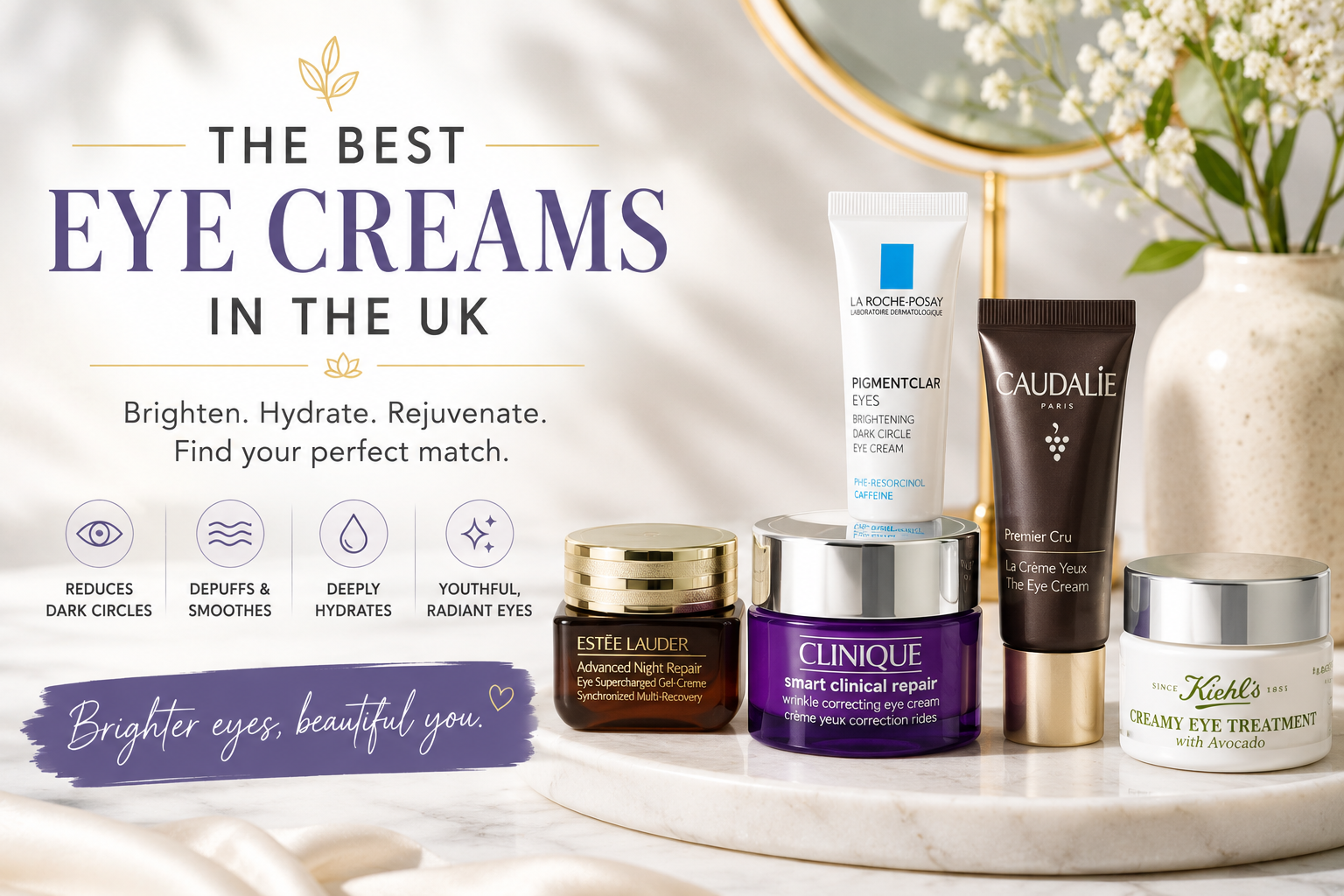
Start with this fact: the skin around your eyes is roughly 40% thinner than the skin on the rest of your face. That one detail changes everything about how you should approach eye care, what ingredients to look for, and why slapping your regular moisturiser under your eyes and calling it done isn’t really cutting it.
I tested well over a dozen eye creams across the past few months — from sub-£10 drugstore picks to formulas pushing £80 — and the honest conclusion is that price is a terrible predictor of performance. What actually matters is whether the formula matches what your eye area specifically needs. Dark circles, puffiness, fine lines, and dryness each call for a different approach, and confusing your solution wastes both money and time.
What Do Those Ingredients Actually Do?
Retinol and retinoids are the heavy hitters for fine lines. They boost cell turnover and collagen production, but go slow — the eye area can get genuinely irritated if you introduce retinol too fast. Start at 0.3% and build up over several weeks.
Caffeine is brilliant for puffiness because it constricts blood vessels and reduces swelling, which is why so many eye creams smell faintly like espresso.
Peptides are small protein chains that signal your skin to firm up and stay plump.
Hyaluronic acid holds up to 1,000 times its weight in water, making it essential for plumping fine lines and keeping the delicate eye area hydrated throughout the day.
Niacinamide strengthens the skin barrier and calms redness.
Vitamin C brightens dark circles, though it’s unstable — look for stabilised forms like tetrahexyldecyl ascorbate or L-ascorbic acid on the label, not just “vitamin C.” Ceramides lock moisture in. Antioxidants like green tea and vitamin E protect against environmental damage. Your best eye cream will combine several of these based on what you’re actually trying to fix.
Actually, that’s not quite right — the best eye cream combines the right ones for your specific concerns, not just a long list of impressive-sounding actives. A formula loaded with retinol is useless if your main issue is puffiness, and a caffeine-heavy gel won’t do much for deep lines.
Does Spending More Actually Help?
Drugstore formulas under £15 often have decent hyaluronic acid and caffeine concentrations. They’re perfect for maintenance and for figuring out what your skin responds to. Where they sometimes fall short is ingredient concentration — results tend to be slower. Mid-range options between £15 and £40 are where most of the genuine sweet spots live: better ingredient concentrations, more sophisticated delivery systems, and textures that feel considered rather than functional.
Premium formulas above £40 can justify the price when they’re using cutting-edge actives at meaningful concentrations, but plenty of them are charging for packaging and brand name rather than performance.
The real question isn’t what you spend.

Drugstore eye cream with caffeine for puffiness and dark circles
Medik8, Advanced Day Eye Protect anti-wrinkle eye cream for reducing… £35.28 (15% OFF — was £41.5)

Budget-friendly hydrating eye cream with hyaluronic acid for dry eye area
CeraVe, Moisturising Cream Pot with Hyaluronic Acid & Ceramides for Dry £17.5
Which Concerns Are You Actually Trying to Fix?
Dark circles need caffeine to reduce the appearance of darkness fast, vitamin C to brighten over time, and peptides to plump the area so shadows sit less deep. Some people swear by colour-correcting formulas with a peach or pink tint — these work better as a base under concealer than as a standalone treatment, though they do make an immediate visible difference.
Fine lines and wrinkles call for retinol or retinoids alongside peptides and hyaluronic acid. The retinol handles collagen production, peptides tell your skin to firm up, and hyaluronic acid plumps everything so lines look less obvious — start with a low concentration and work up slowly.
Puffiness is almost entirely a caffeine problem, though keeping your eye cream in the fridge before morning application genuinely helps; also look for horse chestnut extract or arnica in the formula, and always apply with gentle tapping motions using your ring finger since it’s your weakest digit and you won’t accidentally drag the skin.
Dryness needs serious nourishment: ceramides, glycerin, hyaluronic acid, and oils, and if your eye area is properly parched rather than just dehydrated, layering a hydrating serum under your eye cream before sealing with a richer moisturiser makes a noticeable difference, especially in winter.

Premium eye cream with retinol for wrinkles and fine lines
Elizabeth Arden, Elisabeth Arden SMOOTH & RENEW Retinol Ceramide Capsules Anti-Aging… £48.11

Vitamin C eye cream for brightening and dark circle reduction
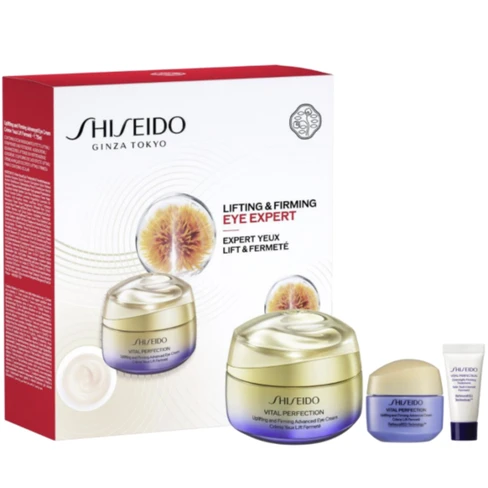
Peptide-rich eye cream for firming and lifting
12 Eye Creams Worth Your Money
These are tested across different skin types, concerns, and budgets. Some are bargains. Some cost more than you’d like but earn it.

Affordable eye cream targeting under-eye bags and puffiness
Budget pick for puffiness: Tired of looking tired? The caffeine formula reduces puffiness fast, and because it’s so affordable you can use it without rationing every drop. Not fancy. Works.

Gentle eye cream for sensitive skin types
Vichy, 7-Day Anti-Perspirant Cream For Sensitive Skin 30ml £10.34 (10% OFF — was £11.5)
Best for sensitive skin: Fragrance-free, packed with soothing ingredients, and free from the usual suspects that make sensitive eyes water and sting. I’ve found that people who don’t even have particularly reactive skin often prefer this one because there’s something genuinely calming about a formula that isn’t trying too hard.

Lightweight hydrating eye serum for layering under eye cream
Clinique, Moisture Surge Active Glow Serum Hydrating 30mL £32.34 (5% OFF — was £34.04)
Best lightweight option: If heavy eye creams leave you feeling like you’ve got grease on your eyelids by mid-morning, this serum-cream hybrid solves that problem entirely. Hydrates properly without any weight behind it. Use it alone if your eye area runs oily or combination, or layer it under something richer if you need more nourishment.

Premium luxury eye cream with advanced anti-aging formula
Worth the splurge: The peptide and retinol combination here tackles multiple concerns at once rather than just one thing. Silky texture, absorbs quickly, and a tiny amount goes a long way because it’s concentrated enough that you don’t need much — which, over time, actually offsets the higher price point per use.

Daytime eye cream with SPF protection
Best daytime option: Sun damage is the single biggest driver of premature ageing around the eyes, and most people completely ignore SPF in this area. This has it built in, sits lightweight enough for daily wear, and doesn’t leave any white cast — which is a genuine challenge around the eyes because the skin catches light differently and even slight residue shows up visibly.

Niacinamide eye cream for pore appearance and redness
Benefit, Women’s POREfessional Pore Minimising Primer 22ml in Clear Clear £26.4 (20% OFF — was £33)
Best for redness and sensitivity: Niacinamide reduces redness, reinforces the skin barrier, and has a secondary effect on dark circles. There’s a mild cooling sensation on application that’s particularly good first thing in the morning when your eyes are still half-asleep.
Best for dark circles: This one works from two directions — caffeine for the immediate reduction in darkness and puffiness, vitamin C for longer-term brightening. Most eye creams take weeks before you notice anything; this one shows a difference within about seven days, which is genuinely unusual. Worth noting: there’s a slight tint to the formula, so if you’re very fair-skinned it can read slightly warm until it blends fully into the skin.

Night-time retinol eye cream for wrinkles and fine lines
Best night treatment: This is proper retinol — not a token amount. Night use only, and introduce it slowly: twice a week for the first month, then build from there. The texture of the skin around your eyes genuinely changes with consistent use, looking smoother and more lifted over about six weeks. That’s what separates real retinol from the formulas that just mention it on the box.

Rich, nourishing eye cream for dry and dehydrated skin
CeraVe, SA moisturising softening cream for dry to very dry skin 177 ml £12.41 (15% OFF — was £14.6)
Best for dry skin: Ceramides, hyaluronic acid, and oil working together to actually nourish rather than just coat the surface. Rich enough that a tiny amount does the job, and — crucially — it doesn’t pill under makeup, which is the death of many richer eye creams.
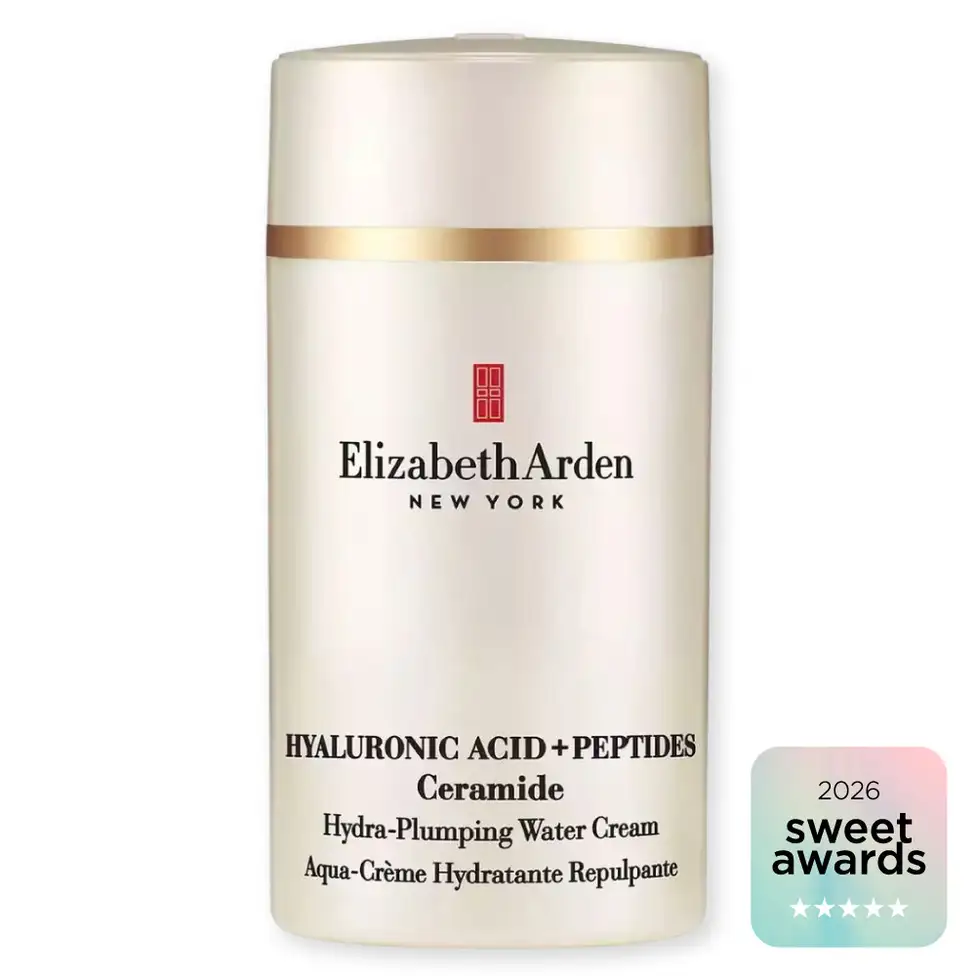
Plumping eye cream with peptides and hyaluronic acid
Best plumping formula: Peptides and hyaluronic acid together make fine lines look less deep and the whole eye area look more awake. No, you won’t look a decade younger — anyone who promises that is lying to you — but the difference is visible and it plays well with makeup without balling up or fading concealer.

Natural and organic eye cream with plant-based ingredients
Best natural option: Plant extracts, oils, and antioxidants rather than synthetics. Works more gently than the heavier-hitting formulas, which is exactly right if your eye area is reactive or you’re newer to using dedicated eye products and don’t want to throw too many actives at your skin at once.
Stop Wasting Your Eye Cream by Applying It Wrong
How you use it matters almost as much as what’s in it. Use your ring finger — your weakest digit — and tap gently along the orbital bone rather than rubbing. Dragging the skin around your eyes causes cumulative damage over time that no eye cream can undo. Apply to the upper lid, lower lid, and inner corner, and wait about 30 seconds before putting anything else on top.
A grain of rice per eye. That’s your amount.
Timing-wise: eye cream goes after toner or essence, before moisturiser. If you’re using a serum, that goes first, then the eye cream a minute later. At night you can be a bit more generous since you’re not putting makeup over it. For layering when your eye area is really dry — or when you’re running a retinol treatment — apply a hydrating serum first, then the eye cream, then seal it with a richer moisturiser. This matters particularly in winter when central heating strips moisture out of everything.
Give any new eye cream a full four weeks before writing it off. Skin cell turnover takes about 28 days, and gradual changes are genuinely hard to perceive when you’re looking at your own face every day. Take a photo on day one. You’ll be surprised.
My actual opinion after all this testing: the PURITO retinol and the La Roche-Posay brightening formula are the two I’d recommend to almost anyone, at nearly any budget, because they do what they say without drama. Everything else on this list earns its place for specific concerns — but those two are where I’d start.
Hey savvy shoppers! When the items in our articles catch your eye and you decide to buy through our links, we may earn a small commission at no extra cost to you. Think of it as a way of supporting us in bringing you the best content!
Frequently Asked Questions
How long does eye cream actually take to work?
Most eye creams need a minimum of four weeks before you’ll notice a real difference, because that’s roughly how long your skin’s cell turnover cycle takes. For retinol-based formulas targeting deeper wrinkles, give it six to eight weeks. Take a photo on day one — it’s genuinely hard to notice gradual changes when you’re staring at your own face every morning.
Is expensive eye cream actually worth it?
Not automatically. A £20 eye cream with the right ingredients for your concern will outperform a £80 one that doesn’t suit your skin. That said, mid-range and premium formulas often use higher concentrations of actives and better delivery systems, which can mean faster results. The sweet spot for most people is £15–£40.
Can I just use my regular moisturiser around my eyes?
You can, but the eye area is about 40% thinner than the rest of your face and absorbs products differently. Regular moisturisers often contain fragrances or concentrations of actives that irritate this delicate skin. A dedicated eye cream is formulated specifically for this zone, so it’s worth the separate product — especially if you have puffiness, dark circles, or fine lines.
What ingredients should I look for in an eye cream for dark circles?
Caffeine is the most reliable for reducing the appearance of darkness quickly because it constricts blood vessels. Vitamin C brightens over time. Peptides help plump the area so shadows appear less deep. For stubborn dark circles that are more structural than pigmentation-related, a colour-correcting formula with a peach or pink tint can help as a base under concealer.
How much eye cream should I actually be applying?
About the size of a grain of rice per eye — that’s it. Applying more doesn’t speed up results and can actually backfire, since excess product sits on top of the skin rather than absorbing, and may migrate into your eyes causing irritation. Use your ring finger to gently tap it along the orbital bone rather than rubbing.



 No products in the cart.