

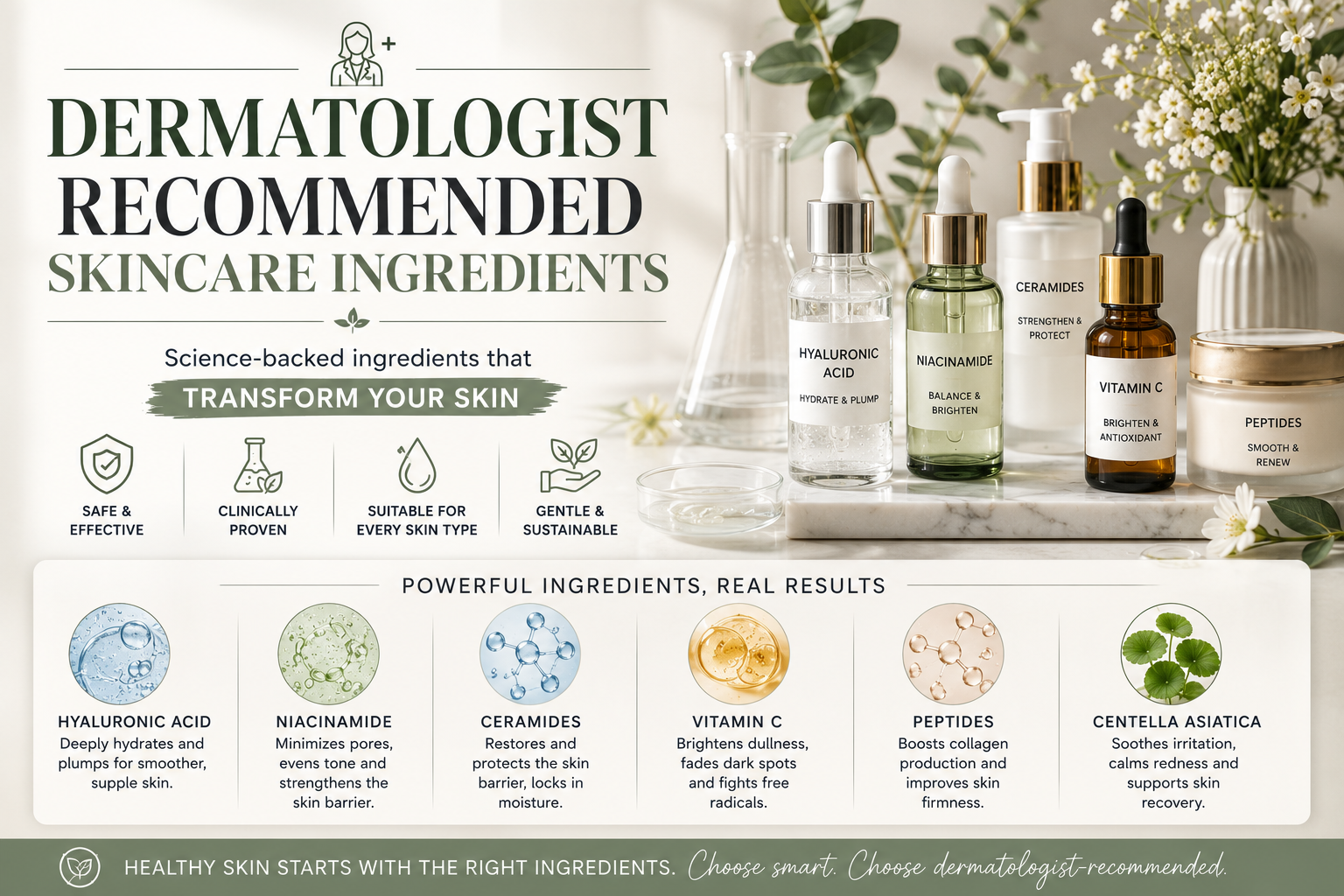
SPF is the most effective anti-ageing product you can buy. Not retinol. Not vitamin C. Sunscreen — because preventing damage is always cheaper than reversing it. I mention this upfront because most skincare content buries that fact somewhere near the end, after you’ve already been sold on three serums.
I’ve spent years reading dermatology research and talking to people who actually prescribe skincare for a living, and their recommendations are almost identical every time. Not because dermatologists lack imagination, but because the evidence keeps pointing at the same four ingredients. These aren’t viral TikTok finds or obscure Himalayan flower extracts. They’re workhorses with decades of clinical data behind them — the ones dermatologists use on their own faces.
So here’s what they are, why they work, and how to use them without accidentally wrecking your skin barrier in the process.
Why the “Boring” Ingredients Win
Dermatologists don’t recommend ingredients based on packaging or marketing spend. The bar is peer-reviewed research, clinical trials, and consistent results across different skin types — not just one glowing before-and-after photo from a brand’s own study. The four ingredients covered here have all cleared that bar comfortably, with hundreds of published papers and multiple meta-analyses between them. That’s what separates “dermatologist recommended” from “dermatologist adjacent.” What also makes this list different from the usual skincare roundup is that these ingredients genuinely interact well together — you’re not building a routine of seven competing actives, you’re layering four things that each do a specific job without fighting each other for absorption or wrecking your pH balance, which is a problem far more common than most product descriptions will ever admit.
Retinol
Fine lines? Retinol. Acne? Retinol. Uneven texture? Also retinol. It’s the closest thing skincare has to a Swiss Army knife, and the research behind it is genuinely staggering — which is probably why every dermatologist I’ve ever spoken to brings it up unprompted.
It works by accelerating cell turnover and stimulating collagen production. Essentially it tells your skin to stop coasting. Within 12 weeks of consistent use, most people see real changes in texture, fine lines, and breakout frequency. The catch is that your skin needs time to adjust, and starting too strong is the most common mistake I see people make. (I did it myself — jumped straight to 1% and spent two weeks looking like I’d lost a fight with a cheese grater.)
Beginners should start at 0.25–0.5% concentration, two or three nights per week. After four to six weeks, you can push the frequency. Advanced users can move to higher concentrations or prescription retinoids like tretinoin, but honestly, most people get excellent results from over-the-counter retinol if they stick with it long enough to stop expecting overnight results.

A beginner-friendly retinol formulation that delivers proven anti-aging and acne-fighting benefits without overwhelming sensitive skin. Start here if you’re new to retinoids.
Cosrx, Retinol 0.5 oil serum with anti-wrinkle effect 20 ml £19.12 (15% OFF — was £22.5)

Retinol works best when paired with hydration. A nourishing moisturiser buffers irritation and supports your skin barrier while you’re building tolerance.
Origins, Plantscription™ Retinol Night Moisturizer With Alpine Flower… £38.4
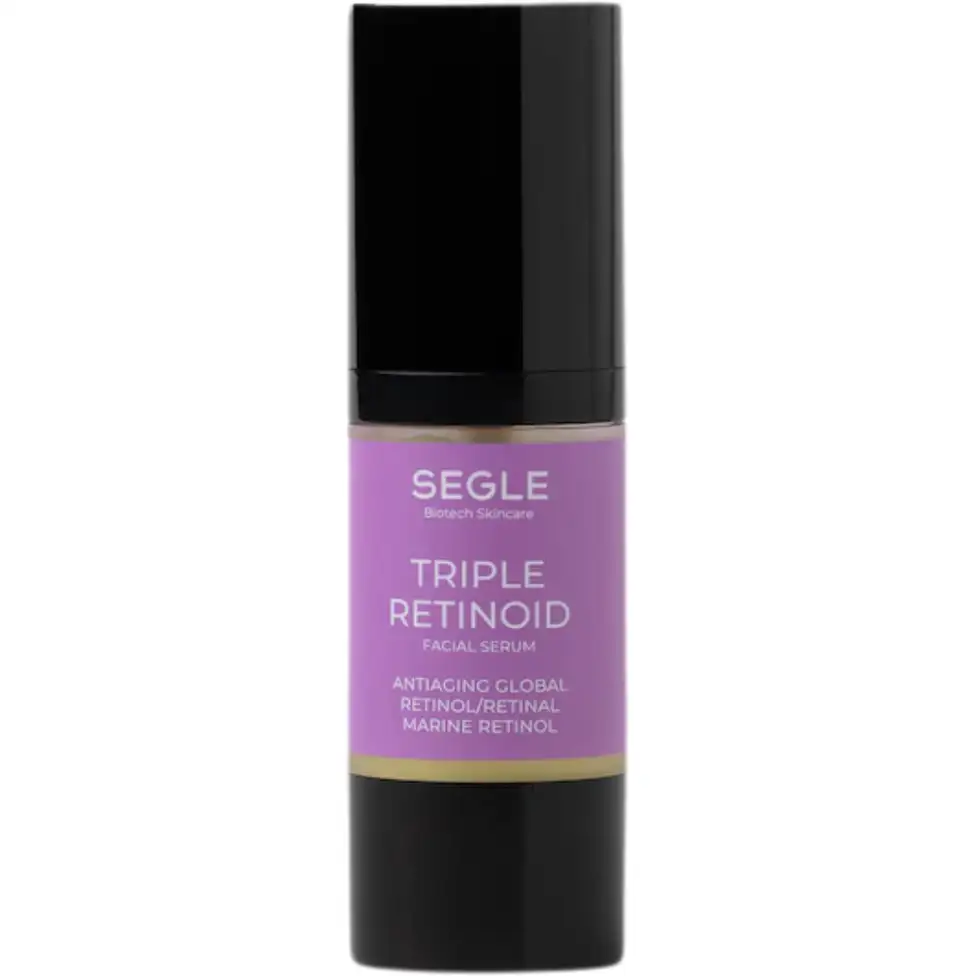
Once you’ve mastered the basics, step up to a higher-strength retinol or prescription alternative for more dramatic anti-aging results.
Does Vitamin C Actually Do Anything?
Short answer: yes, a lot.
Vitamin C is an antioxidant, which means it neutralises free radicals — the unstable molecules that accelerate ageing, worsen sun damage, and drive inflammation. Think of it as a daily shield for your cells. But it also stimulates collagen production and fades hyperpigmentation, so you’re getting protection and visible improvement at the same time, which is a rare combination in skincare.
The problem with vitamin C is stability. Most formulations oxidise quickly once opened, losing their potency before you’ve used half the bottle. Look for serums in opaque, airtight packaging and store them somewhere cool. The most effective form is L-ascorbic acid at 10–20% concentration, though it can sting on sensitive skin. Actually, that’s not quite right — it’s less about the acid itself and more about the low pH required to keep it stable, which is what causes the tingling. Gentler alternatives like magnesium ascorbyl phosphate or ascorbyl glucoside work at a more skin-friendly pH and are worth considering if straight L-ascorbic acid doesn’t agree with you.
Use it in the morning, before SPF, so your antioxidant protection is in place before you step outside.

The gold standard vitamin C formulation for brightening and antioxidant protection. Use in the morning before SPF for maximum benefit.
Obagi, Womens Professional-C Serum 10% L-Ascorbic Acid £77.63 (25% OFF — was £103.5)
SPF Is Anti-Ageing, Full Stop
UV damage causes roughly 80% of visible skin ageing. That single statistic should end most debates about which product deserves the top spot in any skincare routine.
SPF 30 blocks about 97% of UVB rays. SPF 50 blocks about 98%. The gap is smaller than most people expect, which is why dermatologists generally say SPF 30 is sufficient — what matters far more is whether you’re actually applying enough (around a quarter teaspoon for your face) and reapplying every two hours when you’re outdoors. UV exposure doesn’t just accelerate ageing; it darkens existing hyperpigmentation, damages your skin barrier, and drives the kind of chronic low-level inflammation that makes every other skin concern harder to treat. Skipping SPF while using retinol or vitamin C is a bit like taking vitamins while smoking — you’re working against yourself.
And yes, it applies indoors too. Window glass blocks UVB but lets UVA through, and UVA is what breaks down collagen.

A lightweight daily SPF that doubles as moisturiser. The easiest way to make sun protection non-negotiable in your routine.
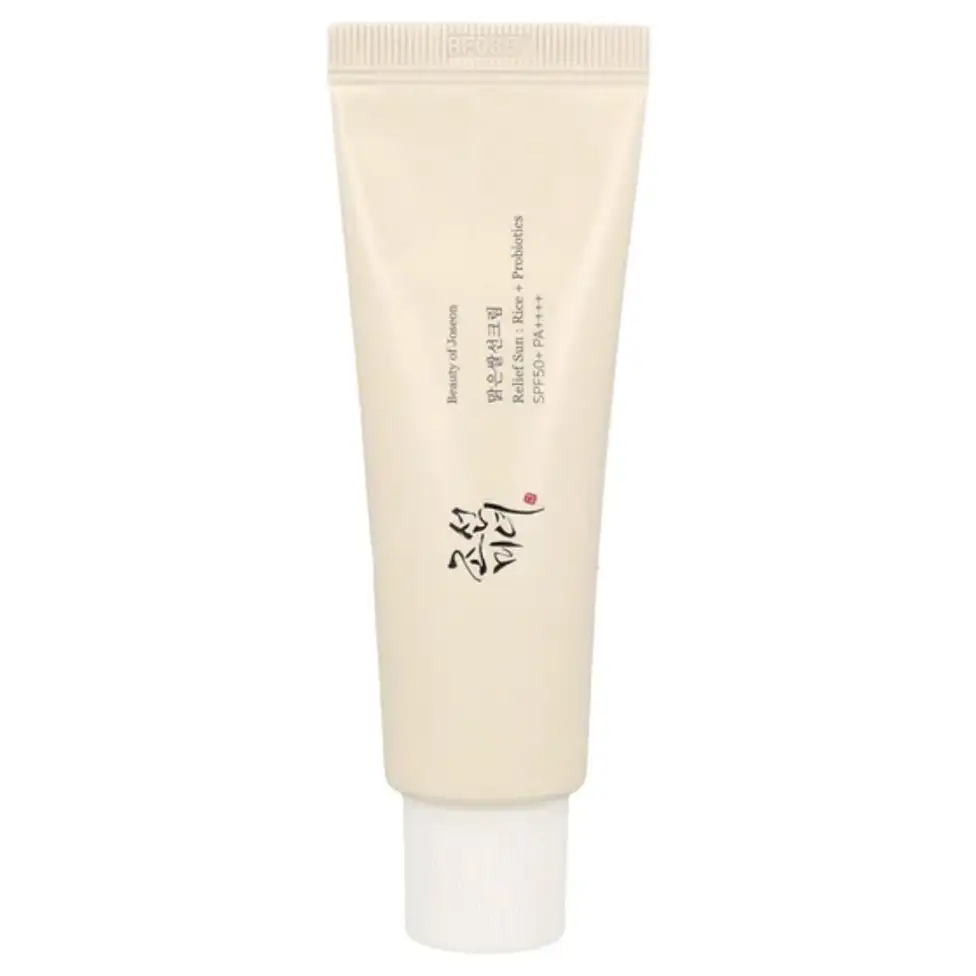
Mineral sunscreen for reactive or acne-prone skin. Provides robust protection without irritating ingredients.
Beauty of Joseon, Relief Sun Rice Probiotics £11.56 (20% OFF — was £14.45)
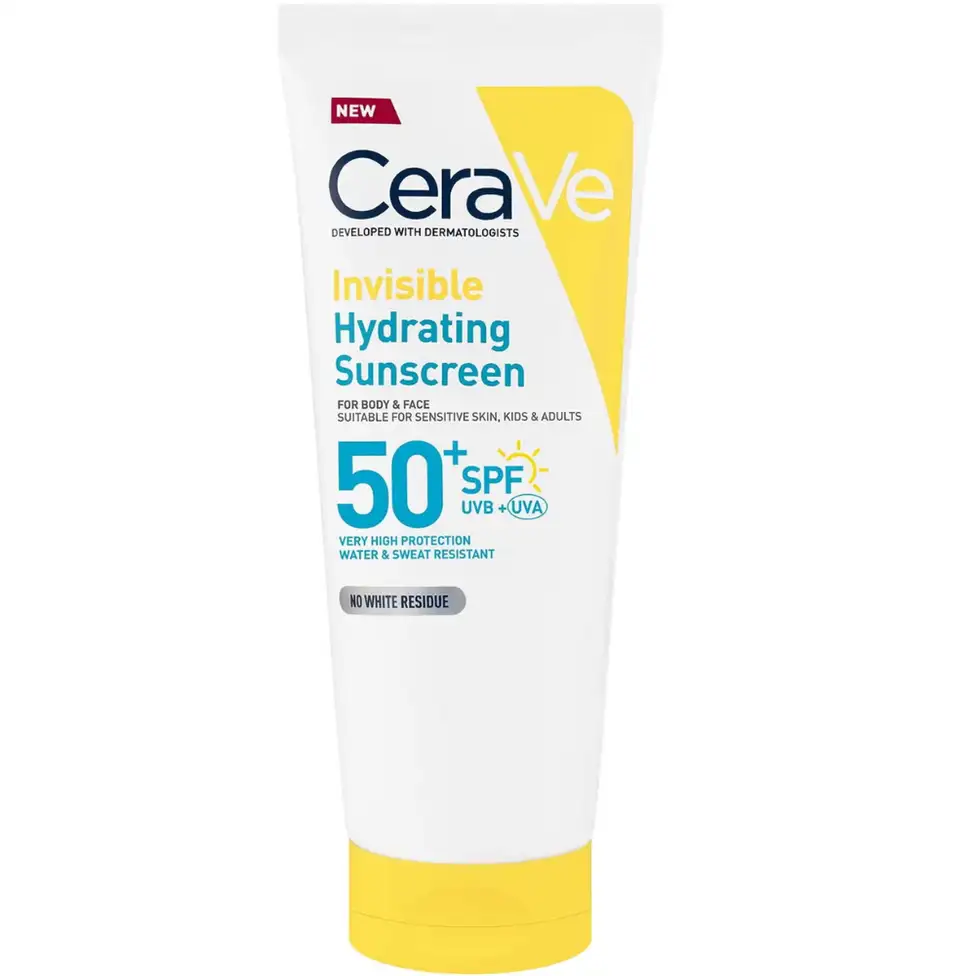
A serum-like SPF for layering under makeup or over serums. Perfect for oily skin that doesn’t want a heavy sunscreen feel.
CeraVe, Invisible Hydrating Sunscreen for Face and Body 177mL SPF50+ £16.05 (6% OFF — was £17.16)
Hyaluronic Acid
Every skin type needs this one.
Hyaluronic acid is a humectant — it pulls moisture from the air and from deeper skin layers and holds it in the outer layers. One molecule can bind up to 1,000 times its weight in water, which sounds like marketing copy but is just chemistry. Oily skin, dry skin, acne-prone skin, sensitive skin: all of them benefit from proper hydration, and this is the gentlest way to deliver it. Dehydrated oily skin, for instance, often overproduces sebum as a compensation response, so adding a hydrating layer can actually reduce that oiliness over time — something that surprised me when I first read about it, since the instinct is usually to strip oily skin rather than hydrate it.
Apply it to damp skin so it has moisture to draw from, then seal it with a moisturiser. Formulations that combine low and high molecular weight hyaluronic acid work best — the smaller molecules penetrate deeper while the larger ones sit on the surface and hold water there.

A foundational hydrating serum that works under every other product. Apply to damp skin for maximum moisture-binding benefits.
Vichy, Mineral 89 Hyaluronic Acid Hydrating Serum £32.39 (10% OFF — was £36)

Seal in hydration with a hyaluronic acid moisturiser. Works beautifully over serums and under SPF without feeling heavy.
CeraVe, Moisturising Cream Pot with Hyaluronic Acid & Ceramides for Dry £17.5

Start your routine with hydration. A gentle cleanser with hyaluronic acid removes makeup and impurities without stripping your skin.
How to Stack Them Without Wrecking Your Skin
Order matters because of molecular weight and pH, not skincare theatre.
Morning: Cleanser, then hyaluronic acid on damp skin, then vitamin C, then moisturiser, then SPF. This gets your antioxidant layer down before any sun exposure and keeps your SPF on top where it can actually do its job.
Evening: Cleanser, then hyaluronic acid, then retinol, then moisturiser. Vitamin C and retinol together can cause irritation for a lot of people, so splitting them across morning and evening routines is the standard recommendation. Give each layer about 30–60 seconds before applying the next — it genuinely improves how well things absorb, and it takes less time than you’d think once it becomes habit.
If retinol is new to you, start with one or two nights per week and build up slowly. There’s no award for pushing through a damaged skin barrier faster than necessary.
One Last Thing
Consistency matters more than having the perfect routine. Six to twelve weeks of showing up with the basics beats three weeks of an elaborate 10-step system you abandon because it takes too long. These four ingredients cover the fundamentals: cell turnover, antioxidant protection, UV prevention, and hydration. Everything else in skincare is essentially fine-tuning around those four pillars.
If you have a specific skin condition, active breakouts that aren’t responding to over-the-counter products, or genuine sensitivity issues, a real dermatologist appointment is worth more than any ingredient list. These are solid general guidelines, not a substitute for personalised advice. But for most people, building a routine around retinol, vitamin C, SPF, and hyaluronic acid is the most evidence-backed starting point available — and the fact that it’s also relatively affordable and accessible is genuinely the best thing about it.
Hey savvy shoppers! When the items in our articles catch your eye and you decide to buy through our links, we may earn a small commission at no extra cost to you. Think of it as a way of supporting us in bringing you the best content!
Frequently Asked Questions
Can I use retinol and vitamin C together?
Most dermatologists advise against layering them in the same routine because the combination can irritate skin. The easier approach: vitamin C in the morning, retinol at night. Your skin gets the benefits of both without the friction.
Do I really need SPF on cloudy or winter days?
Yes. UV rays penetrate cloud cover and glass, which means you’re getting sun exposure even when it doesn’t feel like it. Daily SPF is non-negotiable regardless of season or weather.
How long before I see results from retinol?
Give it at least 12 weeks of consistent use before judging results. The first four to six weeks are mostly your skin building tolerance — visible improvements in texture, lines, and breakouts usually show up after that adjustment period.
What concentration of vitamin C should I start with?
If you have sensitive skin, start around 10% L-ascorbic acid or try a gentler derivative like ascorbyl glucoside. Normal to resilient skin types can usually handle 15-20%. Higher isn’t always better — stability and formulation matter more than raw percentage.
Should I apply hyaluronic acid to wet or dry skin?
Damp skin. Hyaluronic acid is a humectant, meaning it pulls moisture from whatever is available — ideally the water on your skin rather than the deeper layers. Apply it right after cleansing while your face is still slightly damp, then seal it with moisturiser.



 No products in the cart.